Search
Automotive and Transport Design BA (Hons)
Study level: Undergraduate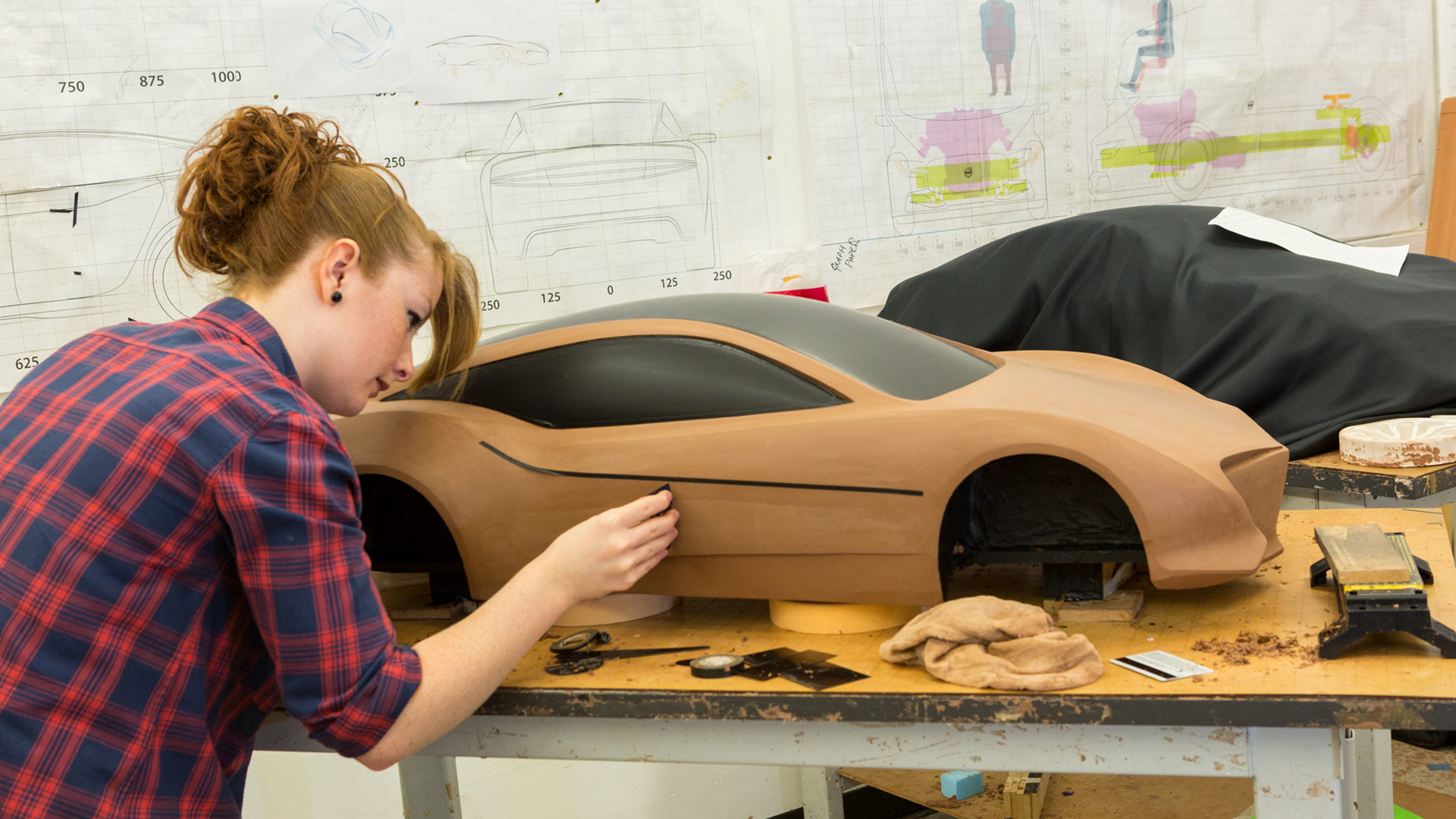
Design the future of transport. Create user-friendly designs for cars and mobility. Tackle real challenges, think creatively, and develop solutions that make travel smarter and life better.
Course features
Year of entry
Location
Coventry University (Coventry)
Study mode
Full-time
Sandwich
Duration
3 years full-time
4 years sandwich
Course code
WHG3
Start date
September 2026
November 2026
January 2027
March 2027
May 2027
July 2027


Course overview
Study at a university known worldwide for transport design innovation
Join a hands-on course that gives you the creative and technical skills to design vehicles, transport systems, and future mobility solutions.
You’ll work on real projects using industry-standard tools and build a portfolio that helps you stand out to employers in the automotive and transport sectors.
Shape the future of mobility
Explore the latest trends and challenges in transport design. Create work that pushes boundaries and responds to real-world issues. This course is for ambitious, forward-thinking designers who want to make an impact through bold ideas and practical solutions.
What you’ll experience
- learn core design principles for automotive and transport sectors
- use professional software and tools trusted by designers worldwide
- work on projects focused on sustainability, user experience, and future mobility
- build a portfolio with conceptual and real-world projects to impress employers
Whether you’re passionate about cars, public transport, or future mobility, this course prepares you for an exciting, fast-moving industry.

Rated Gold Overall
Teaching Excellence Framework (TEF) 2023
5 QS Stars for Teaching and Facilities
QS Stars University Ratings
4th Student City in England (Coventry)
QS Best Student Cities Index 2027Why you should study this course
- Curriculum shaped by current industry trends, helping you understand current industry trends and best practices in automotive and transport design.
- Gain hands-on experience through a variety of conceptual and real-world design projects, giving you the chance to develop your creative and technical skills.
- Learn from experienced staff professionals who bring valuable professional insights and expertise and practical knowledge to support your development as a designer.
- Portfolio development built into the course, enabling you to create polished, innovative design work that demonstrates your skills to potential employers.
- Career guidance and skills support throughout your studies, with targeted guidance and support aimed at helping you to succeed in the automotive and transport industries.
Learn by doing, guided by industry experts
- Your learning is practical and project-based, giving you the chance to work on real challenges and collaborate across disciplines.
- You’ll often team up with students from other courses, bringing different skills together on projects that reflect how creative studios and agencies work in the real world.
- Our teaching is shaped by the needs of the creative industries, helping you build the skills and confidence to become a specialist, leader, and innovator.
- We create a studio culture that values social responsibility and critical thinking – both in research and in the making process.
- Through global projects, you’ll learn to work collaboratively and develop cultural awareness, essential for today’s creative professionals.
- You’ll also benefit from our strong industry links, with guest speakers sharing insights on design, careers, and innovation.
- Past students have worked on everything from electric scooters to ocean-going superyachts.
Student Showcase
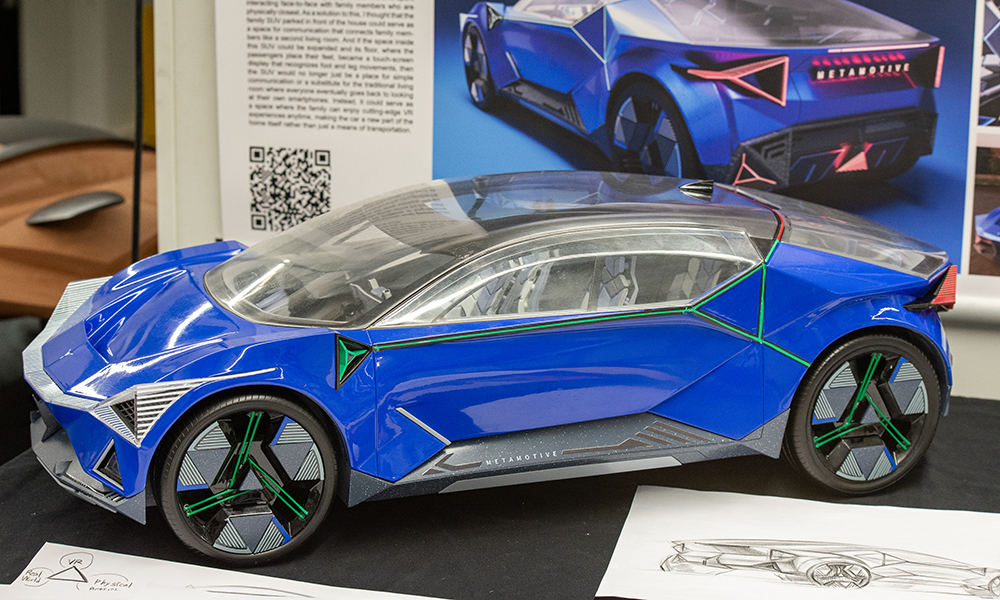
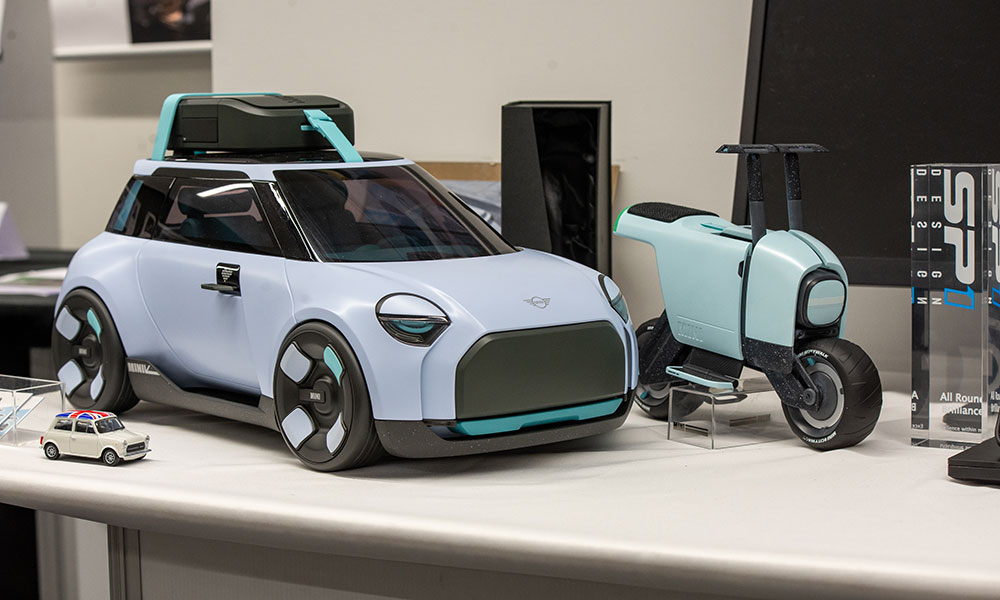
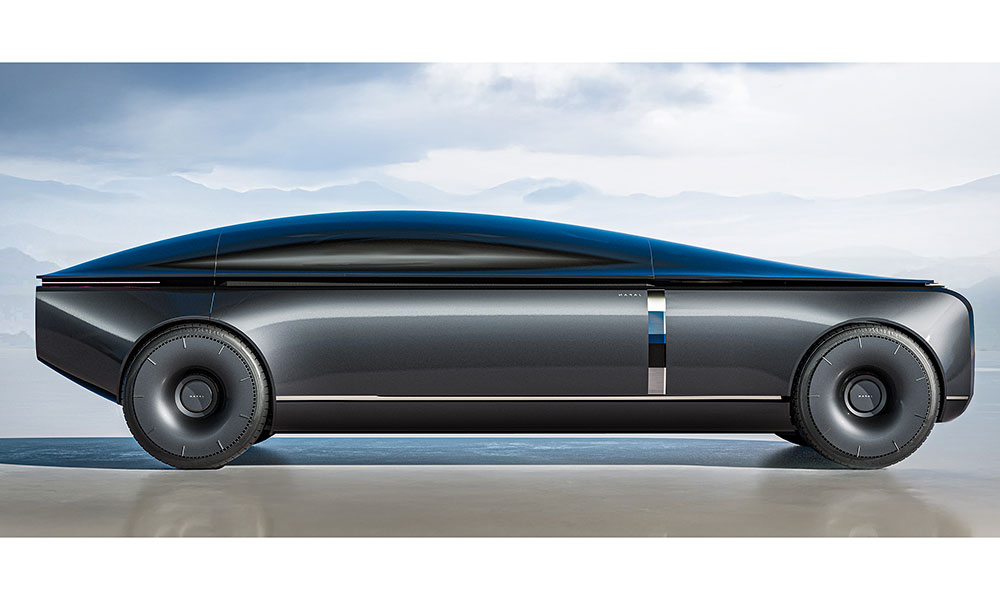

What is it like to study Automotive and Transport Design at Coventry University?
Hear from recent students on the course
What you'll study
You’ll dive into design principles created for the automotive and transport sectors. You’ll work on both conceptual ideas and real-world projects, building technical skills with the same tools used by industry professionals.
Sustainability and user experience run through everything you do, helping you design solutions that matter for the future.
We regularly review our course content, to make it relevant and current for the benefit of our students. For these reasons, course modules may be updated.
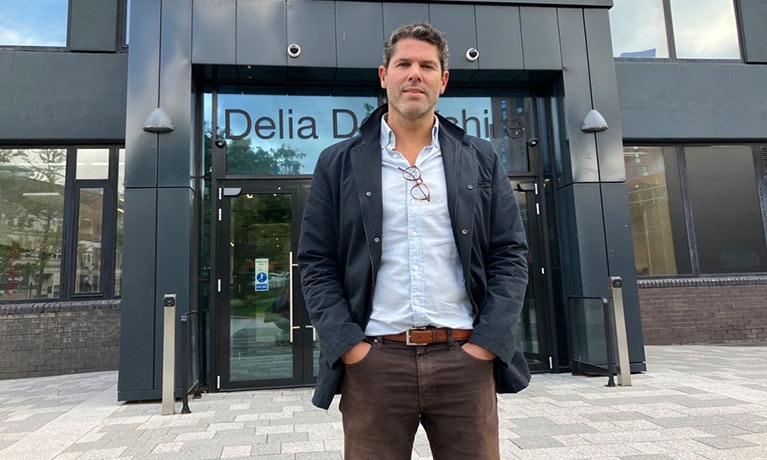
Matt Hill - Made in Coventry
Coventry University graduate Matt Hill turned his passion for design into a global career with Lotus, Ford, Lincoln, and Aston Martin.
Read Matt's storyHow you'll learn
Teaching and learning methods may include:
- lectures: learn from experienced professionals and gain essential theoretical foundations
- seminars: engage in discussions that sharpen your critical thinking and communication skills
- tutorials: receive personalised guidance to support your creative and technical development
- presentations: build confidence in showcasing your ideas and improve your professional communication
- group projects: collaborate with peers to develop teamwork skills and create portfolio-ready work
- workshops: gain practical, hands-on experience with tools and techniques used in the industry
- practical studio sessions: explore creative processes in a studio environment that mirrors real-world practice
- practical lab sessions: apply technical skills to bring your design concepts to life.
We work together with a whole range of companies to offer you experiences—from projects to placements—to enhance your studies. Our collaborators offer competitions, portfolio surgeries, speaker events and workshops.2. In the past, our collaborators have offered competitions, portfolio surgeries, speaker events and workshops. The scope of involvement may change from year to year and varies from provider to provider. Our collaborators may include:
- Aston Martin
- Jaguar Land Rover (JLR)
- SAIC/MG
- Nissan
- TATA
- Winch Design – Superyachts
- BSA motorcycles
- Design consultancies
- Autodesk
- Gravity Sketch.
The scope of involvement may change from year to year and varies from provider to provider.
Teaching contact hours
As a full-time undergraduate student, you will study modules totalling 120 credits each academic year. You will normally study one 30-credit module at a time. A typical 30-credit module requires a total of 300 hours of study made up of teaching contact hours, guided and independent study.
Teaching hours
Teaching hours may vary depending on your year of study and selected modules. During your first year, you can expect 12-15 teaching hours each week. You will also have the option to attend additional sessions, including time with a progress coach or to meet with staff for advice and feedback. As you progress through your studies, teaching hours may reduce.
Guided and independent study
Throughout your studies, you will be expected to spend time in guided and independent study to make up the required study hours per module. You’ll be digging deeper into topics, review what you’ve learned and complete assignments. This can be completed around your personal commitments. As you progress through your studies, you’ll spend more time in independent study.
Online learning
As an innovative university, we use different teaching methods including online tools and emerging technologies. So, some of your teaching hours and assessments may be delivered online.
Assessment
Your learning will be assessed in ways that reflect real-world skills and creativity. Depending on the module, you might showcase your ideas through:
- design portfolios that highlight your creative process
- modelling to bring concepts to life
- coursework and essays for deeper exploration of topics
- knowledge check tests demonstrate your understanding of key concepts through short, focused tests designed to reinforce learning and build confidence
- reports and projects that mirror professional practice
- group work to build collaboration skills
- presentations to develop confidence in sharing ideas
- laboratory sessions for hands-on experience
- posters to communicate visually and effectively.
The Coventry University Group assessment strategy ensures that our courses are fairly assessed and allows us to monitor student progression towards achieving the intended learning outcomes.

Focus with block learning
Most courses use block learning. You study one module for six weeks, then move on to the next. It's a simple, structured way to stay organised and build confidence in your studies.
Explore block learningCoventry University graduate wins plaudits and a job thanks to his revolutionary car design
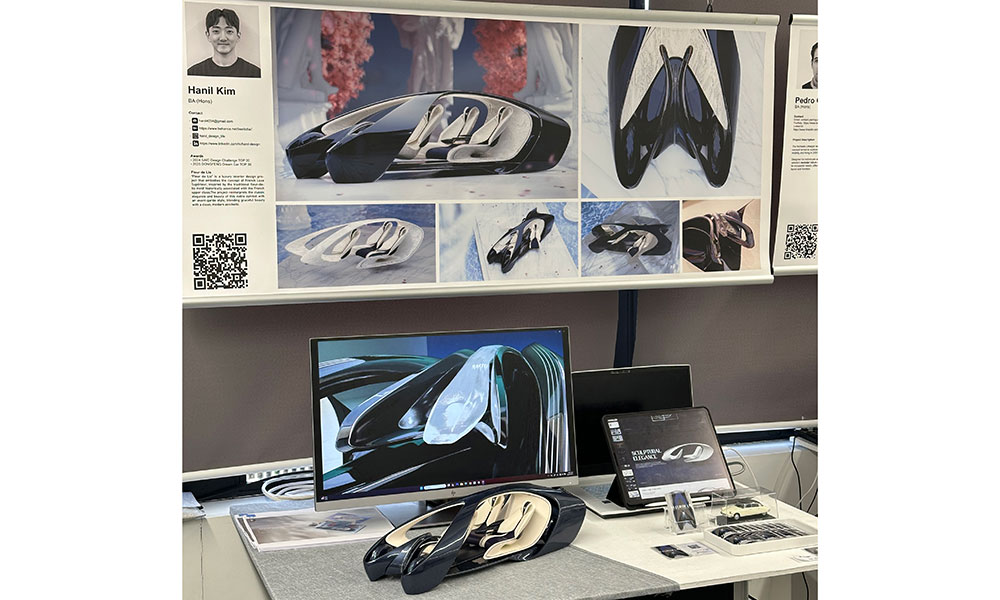
Hanil Kim who graduated from the Automotive and Transport Design Course in July 2025, won the Design Challenge competition for SAIC, one of China’s largest car companies. Part of the prize meant Hanil secured a full-time position with SAIC.
Read more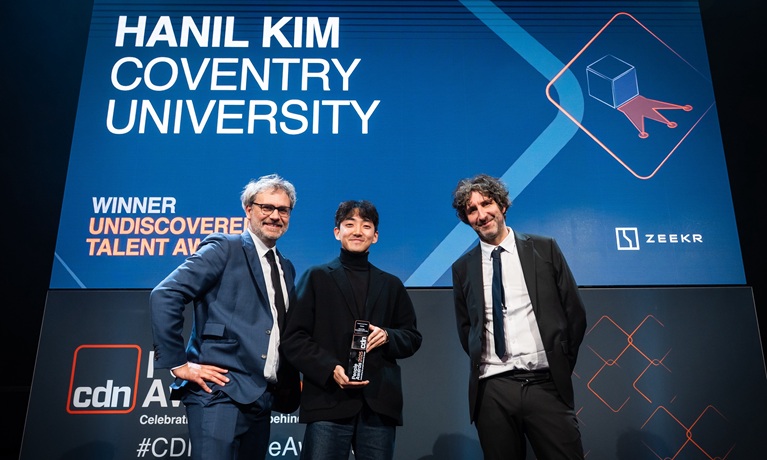
Entry requirements
Check your eligibility
Take a few quick steps to see if you can apply now or save your place on this course.
Typical entry requirements:
Fees and funding
| Student | Full-time | Part-time |
|---|---|---|
| UK, Ireland*, Channel Islands or Isle of Man | £9,790 per year | Not available |
| EU | £9,790 per year with EU Support Bursary** £20,800 per year without EU Support Bursary** |
Not available |
| International | £20,800 per year | Not available |
If you choose to study this course with a professional placement2 or study abroad year, you will need to pay a tuition fee3 to cover your academic support throughout your placement year. Students commencing their professional placement in the academic year 2028/29 will pay £1,575 if they are paying UK fees, or £1,900 if they are paying international fees.
For advice and guidance on tuition fees and student loans visit our Undergraduate Finance page and see The University’s Tuition Fee and Refund Terms and Conditions.
The University will charge the tuition fees that are stated in the above table for the first Academic Year of study. The University will review tuition fees each year. For UK (home) students, if Parliament permits an increase in tuition fees, the university may increase fees for each subsequent year of study in line with any such changes. Note that any increase is expected to be in line with inflation.
If you choose to study this course with a professional placement, the University will charge the tuition fees stated above for those on a placement during Academic Year 2028/29. The University will review professional placement tuition fees each year. For UK (home) students, the University may increase fees for each subsequent year of study, but such that it will be no more than 5% above inflation.
For international students, we may increase fees each year, but such increases will be no more than 5% above inflation. If you defer your course start date or have to extend your studies beyond the normal duration of the course (e.g. to repeat a year or resit examinations) the University reserves the right to charge you fees at a higher rate and/or in accordance with any legislative changes during the additional period of study.
We offer a range of International scholarships to students all over the world. For more information, visit our International Scholarships page.
Tuition fees cover the cost of your teaching, assessments, facilities and support services. There may be additional costs not covered by this fee such as accommodation and living costs, recommended reading books, stationery, printing and re-assessments should you need them. Find out what's included in your tuition costs.
The following are additional costs not included in the tuition fees:
- Any optional overseas field trips or visits: £400+ per trip.
- Any costs associated with securing, attending or completing a placement (whether in the UK or abroad).
*Irish student fees
The rights of Irish residents to study in the UK are preserved under the Common Travel Area arrangement. If you are an Irish student and meet the residency criteria, you can study in England, pay the same level of tuition fees as English students and utilise the Tuition Fee Loan.
**EU Support Bursary
Following the UK's exit from the European Union, we are offering financial support to all eligible EU students who wish to study an undergraduate or a postgraduate degree with us full-time. This bursary will be used to offset the cost of your tuition fees to bring them in line with that of UK students. Students studying a degree with a foundation year with us are not eligible for the bursary.
How do you know if you need to pay UK or international tuition fees?
Facilities
Your main learning hub will be the purpose-built Delia Derbyshire Creative Building.
Here, you’ll find generous studio and making spaces designed to give you the freedom to experiment and create. Our studios mirror real industry environments, so you’ll experience professional working practices from day one. In our workshops, you can work with a wide range of materials and processes to bring your ideas to life through physical models.
For digital projects, you’ll have access to PC labs with high-performance machines built for modelmaking, visualisation and animation. We keep our software up to date with the latest industry-standard packages, so you’re always working with tools professionals use.
You’ll also explore immersive technologies in our VR and mixed-reality studios.
Our specialist facilities include:
- Workshops: robotic milling, rapid prototyping, desktop CNC milling, 3D printing, digital scanning, large block material spaces, painting facilities, hack spaces and manual workshops.
- Design studios: presentation and VR spaces, pin-up walls, breakout areas, Wi-Fi throughout, a dedicated print bureau for outputs up to A0, and an art supplies shop.
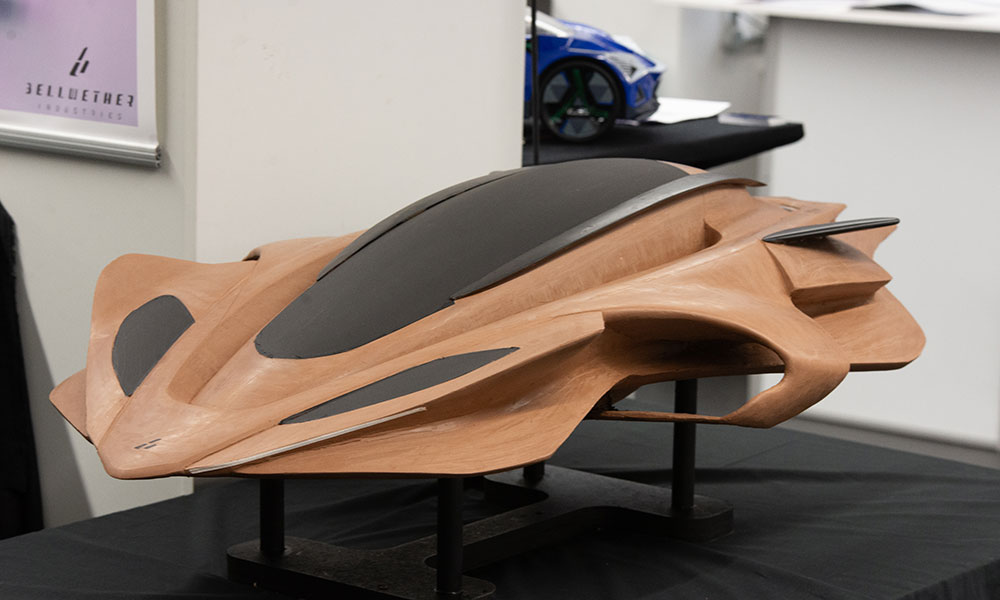
- Clay studios: automotive clay modelling remains a key method for shaping and refining complex surfaces. This hands-on process helps you develop and evaluate designs in a way that digital tools alone can’t match.
Take a virtual tour
Access our modern facilities that replicate professional design studios, including:
- advanced CAD labs
- clay modelling workshops
- virtual reality environments for immersive design experiences.
Workshops
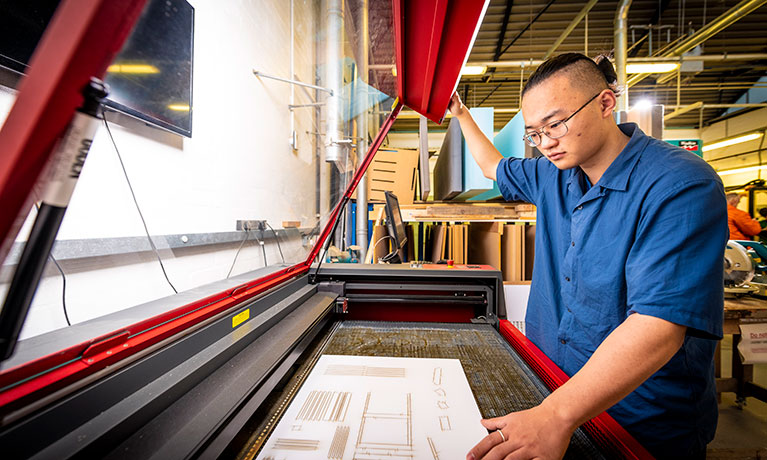
Our extensive workshops will allow you to model in wood, metal, plastics, glass, ceramics and styling clay, with additional facilities for 3D printing, CNC milling and laser cutting. (Location: Delia Derbyshire Building)
Software suites
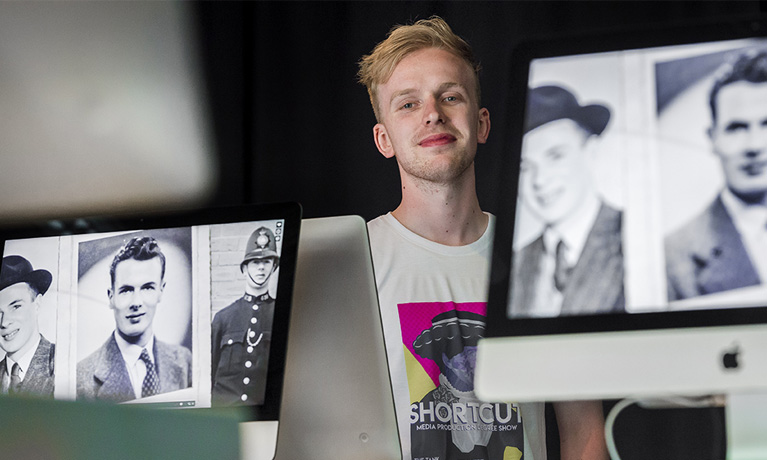
Our PC and Mac labs are equipped with the latest 2D and 3D software, including Adobe Creative Cloud. (Location: Delia Derbyshire Building).
Studio Spaces
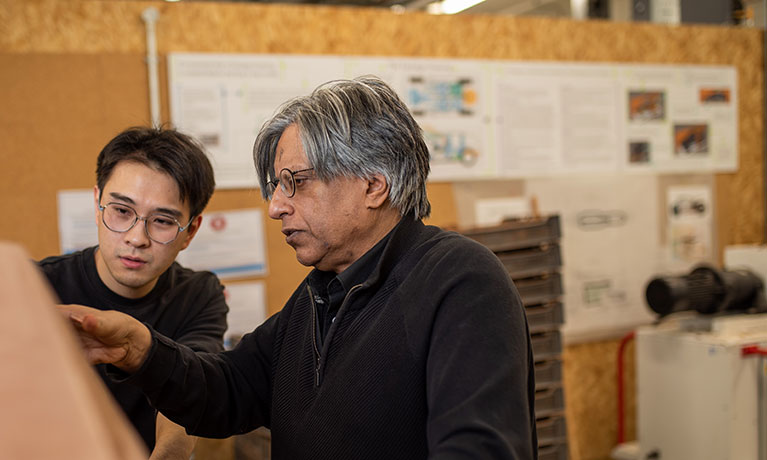
You will have open access to specialist design studios in which to work and collaborate. (Location: Delia Derbyshire Building)
You’ll use facilities through timetabled teaching, practical activities and relevant independent study. Access may vary by module, activity, capacity, supervision or safety requirements. Access may change or be limited where the University needs to follow public authority guidance, decisions or orders.
Careers and opportunities
Imagine shaping the future of mobility and design. A degree in automotive and transport design doesn’t just prepare you for a job, it opens doors to a world of creative possibilities. Our graduates have gone on to design sleek car exteriors, craft immersive digital experiences, and innovate with cutting-edge materials.
You could find yourself working in:
- automotive exterior and interior design
- user experience (UX) and interface design
- clay and hard modelling
- digital modelling and surfacing
- 3D visualisation and animation
- colour and materials design
- lifestyle product development
- design research and innovation.
Your career could take you anywhere, from global automotive brands to tech start-ups, or even launching your own design studio.
Potential roles include:
- design consultant
- modeler
- illustrator
- cad professional
- design manager
- entrepreneur
- marketing professional.
Your ideas could define the next generation of transport.
Where our graduates work
Our alumni in this field is where we truly stand out in a global sense;
"There are automotive design centres all over the world which has meant that this course has always had a global reach. We couldn’t be prouder that many Coventry University alumni now head up these studios across the world."
Nick Hull, Associate Professor on the Automotive and Transport Design course, 2025
- Gerry McGovern – Creative Officer at Jaguar Land Rover (JLR)
- Ian Callum – runs his own design consultancy called CALLUM, focusing on automotive and product design.
- Matthew Weaver – Vice President Design at Nissan Motor Corporation
- Lisa Reeves – Head of Interior Design at Volvo Cars in Sweden
- Robin Page – Design Director for Bentley Motors
- Klaus Busse – Head of Design at Maserati and Stellantis in Turin.
- Miles Nurnberger – Director of Design for Aston Martin
- David Imai – Director of Design at Tesla in California.
Further study
You may be entitled to an alumni discount on your fees if you decide to extend your time with us by progressing from undergraduate to postgraduate study.
Coventry University celebrates 50 years of world-famous transport course
The course is one of the longest-running Bachelor’s programmes in the university, having started in 1974, and has now seen nearly 3,000 students pass through the undergraduate programme and a further 500 graduate from the Master’s programme, making it one of the foremost transport courses worldwide.
Read more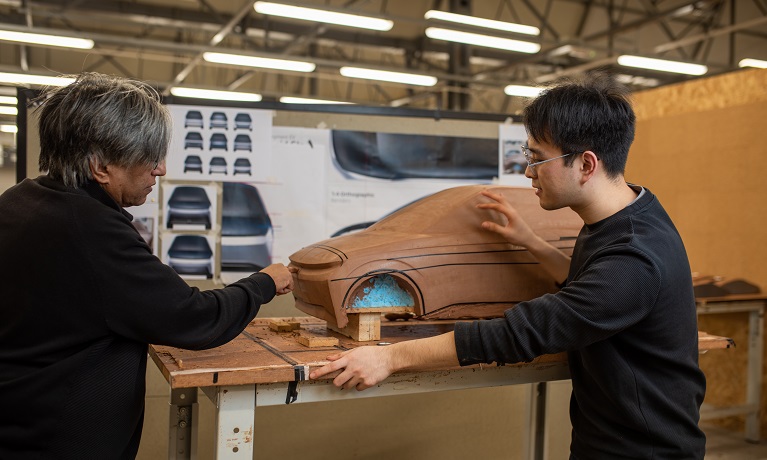

Discover Phoenix+
Phoenix+ brings you together with other students to learn, experience and develop essential knowledge and skills. Whatever destination you choose, it's about preparing you for life after university.
Learn more about Phoenix+How to apply
UK students
International students
Disclaimers
You may also like
Coventry University (Coventry)

Product Design BA (Hons)
Coventry University (Coventry)
Graphic Design BA (Hons)
Coventry University (Coventry)