Introduction
Every March, the global social work community comes together to recognise the impact of the profession during Social Work Week and World Social Work Day. This year’s theme, set by the International Federation of Social Workers, is “Co-Building Hope & Harmony”, highlighting how meaningful change happens when communities and professionals work together.
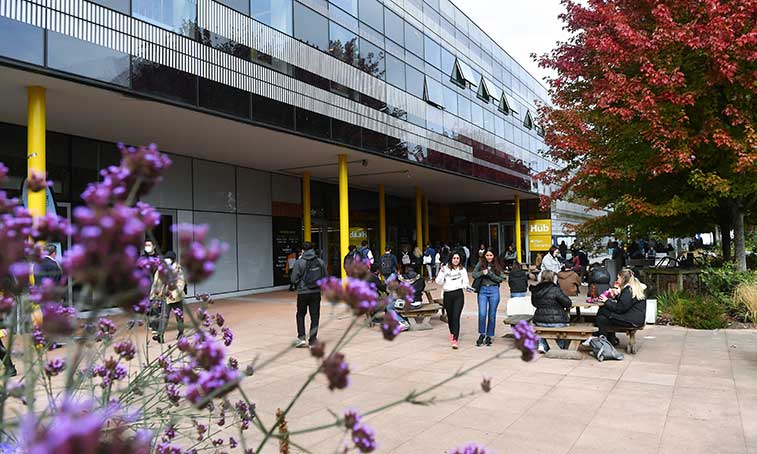
For Coventry University, this year’s celebration feels extra special. On Tuesday 17 March, we’ll be marking the occasion with an event in Square One (The Hub), whilst also celebrating 60 years of Social Work education at Coventry University.
Our courses are designed around the real work social workers do and the communities they support. We work closely with the West Midlands Social Work Teaching Partnership and local authority partners, including Coventry City Council, Warwickshire County Council and Solihull Metropolitan Borough Council. This means that after graduating, students can feel ready for professional roles.
Our Social Work BA (Hons) course is designed for those starting in the role, getting you the practical skills and professional values to become qualified social workers. Meanwhile, our Social Work MA/PGDip offers a fast and focused route for graduates or career changers looking to move into social work and build advanced professional skills. Both combine academic learning with practical placements and insights from practitioners and people with lived experience. We’ll delve deeper into our courses later in the blog.
Why social work matters now

Social workers support people facing complex challenges. They help people access the support they need and make sure their voices are heard. Across the UK, the demand for skilled and compassionate social workers is growing, and the country needs more to support our communities.
In children’s services, there is also a rising need for foster carers and support for children in care. GOV.UK recently highlighted government plans to help reverse the decline in foster carer numbers. Social workers respond to these challenges, helping families, strengthening communities and creating a more supportive society.
What’s it like to study social work at Coventry University
Social Work BA (Hons)
Studying the BA (Hons) Social Work at Coventry University is practical, people-focused and grounded in real experience. You learn from experienced academics and lived‑experience voices while working with real case studies and current practice issues. Two substantial placements — 70 days in your second year and 100 days in your final year — give you hands-on experience with children, adults and families, helping you build the confidence, emotional intelligence and professional skills needed for social work practice. You can register your interest online or attend one of our Undergraduate Open Days to find out more about this course.
MA/PGDip Social Work
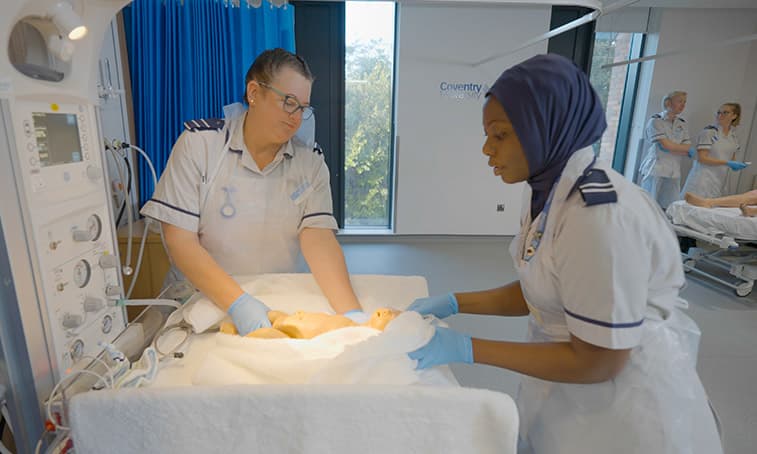
The Social Work MA/PGDip is a practice-based route into the profession, combining core theory with practice in children’s, families’ and adults’ services. You gain experience through two major placements, applying theory and research-informed practice and methods of intervention, legal and policy principles, whilst working directly with individuals, families and communities. You can register your interest online or attend one of our Postgraduate Open Days to find out more about this course.
Dr Karen D Roscoe, Course Director for Social Work MA/PGDip, adds:
“The Social Work PGDip/MA aims to provide learners with the knowledge, skills and values to become competent, capable social work professionals, and the curriculum has been designed to foster inclusivity and respect the diversity and dignity of all people to shape and influence social work now and in the future to meet the needs of individuals, groups and communities. Learners benefit from teaching that emphasises the knowledge, skills and values of social work, the importance of theory-informed and research-informed practice and decision-making, alongside safeguarding vulnerable adults and children and families in a wider organisational context”
Learning through lived experience
A big focus of studying for a social work degree at Coventry University is lived-experience learning. People with lived experience of social work services and organisations contribute to teaching and learning. Through this, students can learn the real-world impact of social work practice.
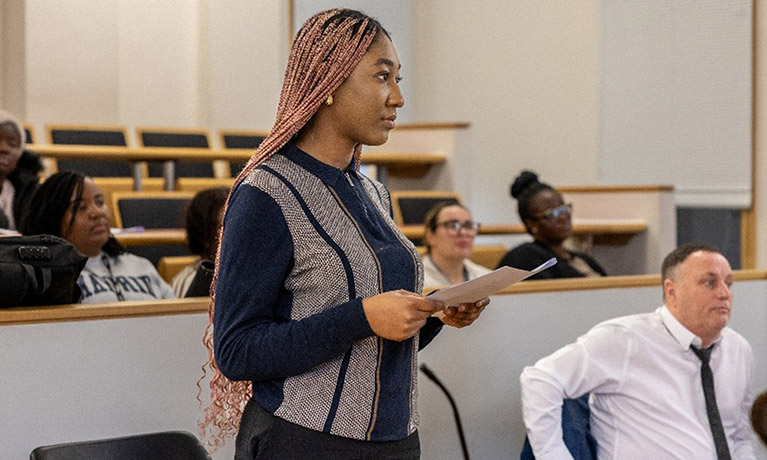
As Saira-Jayne Jones, Director of Your Life Your Story, explains:
“Building a career in social work means choosing courage, connection, curiosity, creativity, and compassion as your professional compass. It is a huge privilege to walk beside people as they rewrite their stories, and to make space for dignity, hope, justice and real change.”
This approach helps students develop empathy, critical thinking and reflective practice, which are all essential skills for future social workers.
A supportive learning environment
Studying social work can be both challenging and rewarding, which is why support is an important part of the student experience at Coventry University. Alongside guidance from tutors and placement staff, students are encouraged to develop confidence, critical thinking and independence in their learning.
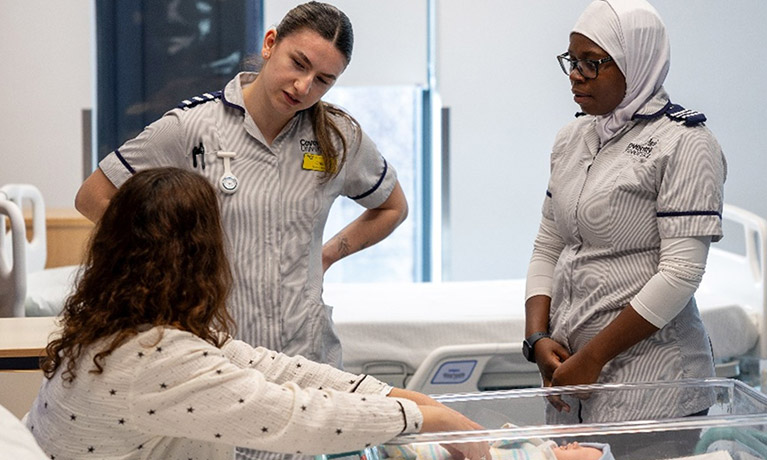
For postgraduate students, building a sense of community is a big part of the course. Activities such as writing retreats, research seminars and informal community gatherings encourage discussion, shared learning and reflection with peers and staff.
Students can also engage with the wider university community through public lectures, cultural events and seminars. There is also the possibility of international placements during the summer outside of teaching periods.
Tips for aspiring social workers
Lucy Cairns, Assistant Professor and Course Director for Social Work BA (Hons) at Coventry University, shares this advice for those considering the profession:
“My advice is simple: stay curious, listen deeply and be open to learning from every person you meet. Social work isn’t about having all the answers; it’s about empathy, reflection and showing up with compassion, even on the hard days. Look after yourself, stay true to your values, and you’ll make a meaningful difference in people’s lives.”
Find out more about our support services: Student Support | Coventry University
Social Work FAQs
What does a social worker actually do?
Social workers support children, adults, and families facing challenges, helping them stay safe, access the right support and improve their wellbeing. They work with people in crisis, coordinate care, advocate for vulnerable individuals and ensure their rights and needs are understood.
Is social work a good career in the UK?
Yes - social work can offer individuals an in-demand career with strong employment opportunities across councils, charities, health settings and community services. It can offer meaningful work, clear career progression and the chance to make a real difference every day.
What qualifications are needed to study Social Work?
For a BA, you typically need Level 3 qualifications (such as A‑levels or health-based subject BTECs) and GCSE English and Maths. For an MA/PGDip, you typically need an undergraduate degree (usually 2:1 or above) plus some experience in social care, health, education or community work. All applicants also require an enhanced DBS check and an occupational health clearance. Please check our course pages for the most up-to-date information. Our students come from a variety of backgrounds, each with a unique story, and we recognise a breadth of qualifications. If your qualifications differ from what’s listed on the course page, contact our
Admissions Team, who will be happy to discuss your qualifications and routes into your chosen course.
Do social work students go on placement?
Yes - placements are key to the learning experience at Coventry University. Our students complete placements in real-life practice settings, working directly with children, adults and families under the supervision of qualified practitioners.
What skills do you need to become a social worker?
You’ll need empathy, resilience, strong communication skills, emotional intelligence, reflective thinking, problem-solving and the ability to work with people from diverse backgrounds. Professionalism, teamwork and good organisational skills are essential.
What makes Coventry University a good place to study Social Work?
Coventry’s Social Work courses combine lived‑experience teaching, practice-led learning, strong partnerships with local authorities and excellent placement support. Students learn in a creative, values-driven environment shaped by 60 years of Social Work education and a national reputation for innovation. Our commitment to the student experience is shown in our award of joint 5th for Student Satisfaction in Health Studies, The Complete University Guide 2026.
What job roles can you go into as a qualified social worker?
Qualified social workers can work in children’s services, adult social care, safeguarding, mental health, fostering and adoption, hospitals, charities, the voluntary sector, probation services, homelessness support, and a wide range of specialist community settings.
What funding is available for social work students?
Social work students in England may be eligible for financial support through the Social Work Bursary, provided by the NHS Business Services Authority. This can help with living costs during your studies and, in some cases, contribute towards tuition fees. Availability and eligibility can vary each year, so it’s best to check the latest information on the NHSBSA website.
What support is available for social work students?
Students receive academic support, practice educators on placement, personal tutors, wellbeing services, skills workshops and preparation for professional practice. Coventry also offers tailored guidance on placement readiness, reflective practice and career planning.