Skip to main content Skip to footer
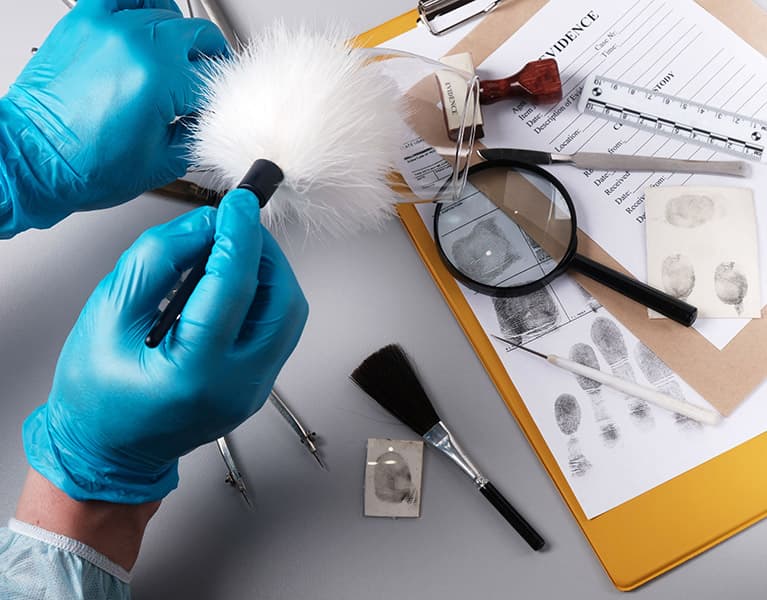
Gloved hands holding a fingerprint brush over a desk covered with forensic tools and fingerprint samples.

What skills do employers look for in Forensic Investigations graduates?

Friday 06 March 2026

3 min read


Choosing a university course is one of the first steps to preparing for a career. As current students on the Forensic Investigations BSc (Hons) course at Coventry University, we are constantly encouraged to think beyond the classroom and focus on the skills employers genuinely value in the forensic sector.

So, what do employers really want from these graduates? From our learning experiences, academic discussions and industry-aligned teaching, it’s clear that success in this field depends on a balance of technical knowledge and professional skills which can be applied in the real world.

Applying technical knowledge in real-world contexts

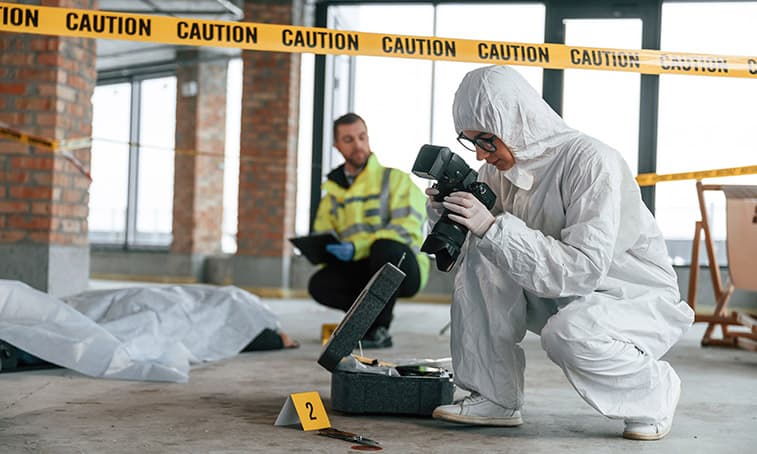
Employers don’t just expect graduates to understand the theory; they want them to apply scientific and investigative knowledge in real-world scenarios. At Coventry University, we develop this skill through practical laboratory work, simulated investigations and case-based learning that mirrors professional forensic environments.

This hands-on approach helps you understand how the theory translates into real investigations, preparing you for the challenges you may face in employment.

You don’t need a science background to succeed

You don’t need a strong science background to study forensic investigations at Coventry University. The course is designed for students from a wide range of subjects, including arts, humanities and vocational qualifications, and does not require specific science A-levels. While science can be useful for specialist lab roles, the degree focuses more on investigative thinking, evidence evaluation, legal understanding and real-world casework.

What matters most is motivation, critical thinking, communication skills and enthusiasm for investigation, meaning students with diverse academic backgrounds can succeed and build careers in areas like crime scene support, digital investigations and criminal justice.

Analytical and critical thinking skills

One of the most important skills employers seek is analytical and critical thinking. Forensic investigations rely on the objective evaluation of evidence and the ability to draw logical conclusions based on facts rather than assumptions.

Throughout the course, you are trained to question evidence, assess its reliability and consider alternative explanations. This critical approach ensures investigations are accurate and unbiased – qualities employers consider essential in forensic roles.

Exceptional attention to detail

In a forensic investigation, even the smallest oversight can compromise an entire case. Employers value graduates who demonstrate precision, thoroughness and consistency when collecting, recording and analysing evidence.

You learn early on that contamination of samples, incomplete documentation or minor procedural errors can have significant consequences. This emphasis on detail prepares you to work responsibly and professionally in high-stakes forensic environments.

Strong written and verbal communication skills

Forensic investigators must be able to communicate complex findings clearly and accurately. Employers expect graduates to produce well-structured written reports that are understandable to both technical specialists and non-technical audiences, such as legal professionals or juries.

Verbal communication is equally important. Whether explaining findings to colleagues, working with law enforcement officers or presenting evidence in court, clear and confident communication is essential. At Coventry University, these skills are developed through report writing, presentations and collaborative discussions.

Preparing for a successful forensic career at Coventry University

From our perspective as students, Coventry University’s forensic investigations course equips us with the skills employers actively seek. While academic knowledge provides the foundation, it is the ability to apply that knowledge responsibly, think critically, communicate effectively and adapt to real-world challenges that defines a successful forensic graduate.

For anyone considering a future in forensic investigations, Coventry University offers more than a degree – it offers preparation for a meaningful and impactful career.

Coventry University Forensic Investigations BSc (Hons) students

Students sat on a step

Ultimate UCAS Guide

The ultimate guide to the UCAS process

Find out more

 Queen’s Award for Enterprise Logo
University of the year shortlisted
QS Five Star Rating 2023
TEF Gold 2023