You don't just find a job in civil engineering; you help design the world people live in
From building skyscrapers that define skylines to designing green energy systems that aim to reduce greenhouse gas emissions, civil engineers can help create the infrastructure that supports modern civilisation. This guide explains how you can turn your creativity into a career with strong employment prospects and opportunities for competitive salaries while still creating a global impact.
What is civil engineering?
Civil engineering is a career where you don’t just get a job: you get to shape the world’s future.
Civil engineering takes its name from “civil”, reflecting its focus on the infrastructure that supports everyday life, from transport and buildings to essential public systems.
Without civil engineers, there would be no bridges to cross, homes to live in, clean water to drink or skyscrapers to admire.
When you study a civil engineering degree, you could find yourself learning how to plan, design and build:
- homes and buildings: houses, flats, schools, hospitals, stadiums, skyscrapers and eco-smart cities
- bridges and tunnels: from suspension bridges to underground metro systems and mega tunnels
- transport systems: high-speed railways, airports, motorways and cycle superhighways
- water systems: reservoirs, dams, flood barriers, desalination plants and treatment works
- energy projects: offshore wind farms, solar parks, nuclear plants and hydroelectric dams
- coastal and marine: sea walls, ports, offshore platforms and even artificial islands
- disaster defences: earthquake-resistant buildings, tsunami walls and storm surge barriers
- digital and smart infrastructure: drone surveying, VR, building information modelling (BIM) and digital twins of cities
- sustainable and green systems: recycling plants, green roofs, low-carbon housing and carbon capture
- mega projects: Olympic venues, hyperloop transport, desert cities and spaceports.
In the past, civil engineers built the pyramids, the Great Wall of China, the Roman aqueducts and Machu Picchu. Today, they’re building record-breaking skyscrapers, smart cities and climate-proof infrastructure for the future.
Is civil engineering a good career choice?
Civil engineers design and deliver projects that millions of people use every single day, from new homes and schools to railways, tunnels, airports, flood defences, power stations and renewable energy systems.
The world's population is projected to continue growing for the next 50 to 60 years, peaking at approximately 10.3 billion by the mid-2080, so there will continue to be strong demand for new civil infrastructure to support sustainable population demands.
If you study civil engineering, you could:
- build the next super-skyscraper or stadium
- deliver new housing estates, schools and hospitals
- protect towns and cities from climate change and flooding
- create green energy projects like wind farms, solar parks and hydroelectric dams
- expand airports and transport systems that connect millions of people
- design and maintain nuclear power plants and net-zero energy infrastructure.

Some major UK projects where civil engineers are working on and are needed:
💡 For UK students: Civil engineers are needed everywhere, from new homes to HS2 and offshore wind farms.
💡 For international students: A UK civil engineering degree is recognised in many countries around the world, preparing you for opportunities to work on smart cities, and green energy and mega projects worldwide.
Is a civil engineering degree hard?
A civil engineering degree should be engaging and practical, combining science with creativity to give you plenty of opportunities to apply what you learn.
At Coventry University, civil engineering students don’t just study in lecture halls; they:
- visit live construction sites to see projects taking shape
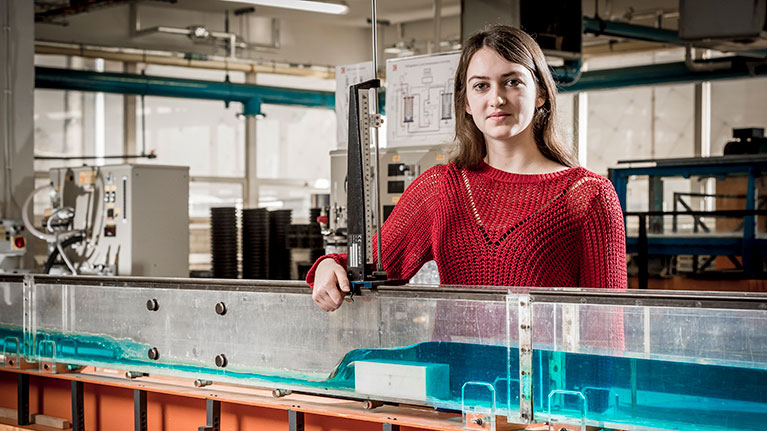
- work in labs testing materials like steel, concrete and soil
- use advanced technology such as AutoCAD, BIM, VR and 3D printing
- are introduced to specialist tools like ANSYS (structural and fluid simulations), MIDAS (bridge and geotechnical modelling), and even Python programming for data and automation
- learn how the industry is beginning to harness artificial intelligence in design, sustainability and smart infrastructure
- tackle real-world challenges through problem-based learning, such as designing flood defences or planning safe skyscrapers.
It’s a subject designed to keep you active, curious and forward-thinking. It gives you a taste of both traditional engineering foundations and the future technologies shaping the profession.
What’s the future of civil engineering jobs?
Civil engineers are in demand worldwide.
In the UK, civil engineers are needed for:
- HS2 high-speed rail (new tunnels, viaducts and stations)
- housing developments and regeneration (300,000+ new homes each year)
- airport expansions (new runways, upgraded terminals at Heathrow, Manchester, Birmingham and beyond)
- nuclear projects like Hinkley Point C and Sizewell C
- offshore wind farms, tidal power and solar parks
- flood defences and coastal barriers (such as the Thames Estuary 2100 and Hull barrier upgrades)
- road upgrades and new motorway schemes (like the Lower Thames Crossing)
- metro, tram and light rail expansions in Manchester, Birmingham, Leeds and Glasgow
- smart city infrastructure, creating greener transport, renewable energy and sustainable housing.
Globally, civil engineers can contribute to projects such as:
- smart cities and mega urban centres
- renewable energy networks
- mega airports and new transport hubs
- high-speed rail lines linking nations
- climate resilience and disaster defences.
Civil engineers will play an important role in solving some of the key challenges of the 21st century, including urban growth, sustainability and climate change.
What subjects do I need to study civil engineering?
You can check the entry requirements for our degree courses through the links below:
At Coventry University, we know not everyone follows the same path. That’s why:
- We consider applications case by case, looking at your potential as well as your grades.
- We believe in widening participation, welcoming students from diverse backgrounds and giving opportunities to those who may not traditionally enter engineering.
- We offer a foundation year in civil engineering to help you build confidence and skills if you need extra preparation.
What skills will I learn studying a civil engineering degree?
A civil engineering degree develops skills that employers value worldwide:
- Problem-solving: finding solutions to real-world challenges.
- Creativity: designing structures that people use.
- Teamwork: collaborating with engineers, architects and contractors.
- Leadership: running big projects and motivating teams.
- Attention to detail: making sure everything is safe and works.
- Tech awareness: from AutoCAD and BIM to simulation tools like ANSYS, MIDAS, Python and even exploring how AI is changing the profession.
What jobs can I get with a civil engineering degree?
Civil engineering opens doors to a range of roles. Here are some examples.
Homes and buildings
- Structural engineer: designs safe and stable buildings and bridges.
- Building engineer: improves the design and performance of homes and workplaces.
- Architectural engineer: combines engineering with building design.
- Construction manager: oversees projects on site, ensuring delivery on time and budget.
- Surveyor: measures and analyses land and buildings before construction.
On-site
- Site engineer: manages daily construction work on projects.
- Project manager: leads large projects from start to finish.
- Health and safety engineer: ensures safety standards on construction sites.
- Civil technician: supports engineers with technical drawings and calculations.
Environment and future
- Environmental engineer: tackles pollution, waste and sustainability issues.
- Renewable energy engineer: designs wind, solar, hydro and tidal systems.
- Resilience engineer: prepares cities to withstand disasters and climate change.
- Sustainability consultant: helps companies cut carbon and build greener.
- Water resources engineer: manages rivers, dams and water supply networks.
Transport and infrastructure
- Highway engineer: develops new and safer roads.
- Rail engineer: works on rail lines, metros and stations.
- Airport engineer: plans runways, control towers and passenger terminals.
- Transport planner: designs systems to keep people and goods moving.
- Urban infrastructure engineer: creates integrated systems for modern cities.
Water and ground
- Geotechnical engineer: studies soil and rock for safe foundations.
- Coastal engineer: designs sea walls, ports and flood defences.
- Water engineer: develops clean water and drainage systems.
- Tunnel engineer: builds road, rail and metro tunnels.
- Hydraulic engineer: manages rivers, dams and flood control.
Energy and power
- Nuclear engineer: supports nuclear power projects like Hinkley Point.
- Energy infrastructure engineer: develops grids, pipelines and storage systems.
- Offshore engineer: works on oil, gas and renewable platforms at sea
Consulting, government and research
- Consultant engineer: provides expert advice on major projects.
- Policy engineer: shapes government and city infrastructure plans.
- International development engineer: works on projects like clean water or housing in developing regions.
- Lecturer or researcher: teaches and creates new engineering knowledge.
Should a civil engineering course include work experience?
The best civil engineering courses ensure you get real-world experience through:
- industry placement opportunities
- site visits
- live projects with companies.
This means you should graduate with a degree and practical experience, giving you an essential professional network and a competitive edge when applying for your first role.
Who are some famous civil engineers?
- Isambard Kingdom Brunel (UK): Railways, tunnels, bridges.
- John Fowler and Benjamin Baker (UK): The Forth Bridge.
- Ove Arup (UK): Engineering genius behind the Sydney Opera House.
- Dame Jo da Silva (UK): Humanitarian and sustainability leader.
- Professor Sarah Springman (UK): Geotechnical expert and ICE President.
What are some famous civil engineering structures?
In the UK
- Clifton Suspension Bridge: Victorian engineering brilliance.
- Forth Bridge: an iconic railway bridge.
- London Underground: the world’s first underground railway.
- The Shard: the tallest building in the UK.
- Thames Barrier: protects London from flooding.
Worldwide
- Burj Khalifa: the tallest skyscraper in the world.
- Golden Gate Bridge: a stunning suspension bridge.
- Hoover Dam: a massive dam supplying water and power.
- Sydney Opera House: world-famous design and engineering.
- Three Gorges Dam: the largest hydroelectric station on Earth.
Why choose Coventry University for civil engineering?
- Our courses are accredited by the Joint Board of Moderators (JBM). This means that our graduates meet the requirement to register as a professionally-registered engineer with the Engineering Council (EngC), the body responsible for regulating the engineering profession within the UK.
- Students benefit from hands-on labs, live projects and a dedicated simulation centre that provides real-world, practical experience.
- We provide extensive placement and study-abroad opportunities to enhance your CV and global perspective.
- You will be supported by experienced staff with real industry experience, ensuring your learning is current and relevant.
- You will achieve a degree recognised worldwide, giving you international career mobility and credibility.
- The curriculum introduces both traditional engineering methods and advanced technologies such as AutoCAD, BIM, VR, 3D printing, ANSYS, MIDAS, Python and the latest AI developments.
Will a Coventry University civil engineering degree be recognised internationally?
Coventry’s civil engineering degrees are accredited under the Washington Accord and EUR-ACE®, meaning they may be recognised in many countries.
- For UK students: you can take your career abroad.
- For international students: your degree is respected globally.
Ready to build the future?
Civil Engineering is more than a career. It’s your chance to design the homes people live in, the skyscrapers that shape skylines and the infrastructure that connects communities worldwide.
At Coventry University, our civil engineering courses aim to give you the skills, confidence and recognition to succeed anywhere.