Search
Opinion: Nursing gave me a sense of belonging - and I would choose it again
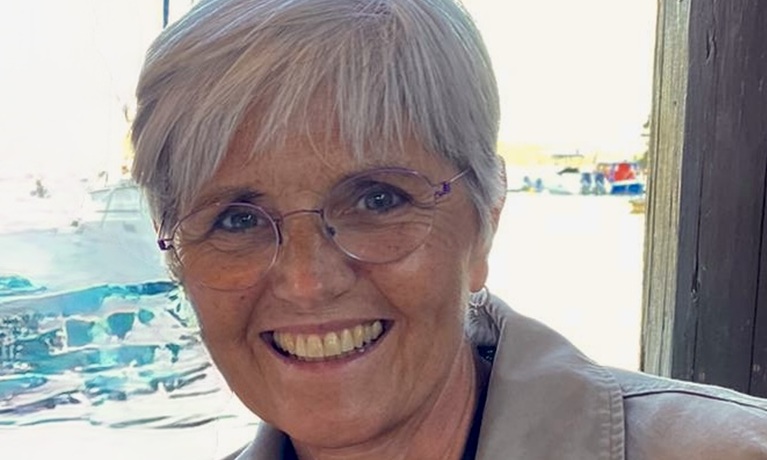
Dame Eileen Sills
University news / Opinion / Health and Community Wellbeing
Thursday 07 May 2026
Press contact
Dame Eileen Sills spent 46 years in nursing, including 15 as Chief Nurse at Guy’s and St Thomas’. Now a Strategic Advisor to Coventry University, she continues to shape the future of the profession. Ahead of International Nurses Day, she reflects on why she would choose nursing all over again.
Finding a place to belong
I didn’t set out with a grand plan. At school, the message was simply: “You should be a nurse.” At the time, I didn’t realise they were offering me the thing that would save me - a profession where I would finally feel I belonged, writes Dame Eileen.
The first time I put on my uniform, something shifted. For the first time in my life, I didn’t feel like a misfit. I felt part of something bigger - a team, a purpose, a promise to the people who needed us most.
Nearly five decades later, it still feels like yesterday. I have never regretted being a nurse - not once. Nursing has given me far more than I ever gave it, and if I had my time again, I would do it all over.
Compassion at the heart of care
What made it rewarding wasn’t a slogan or a strategy. It was the daily reality of putting patients at the heart of decisions - and understanding that compassion is not an “extra”; it is the work. The more I gave, the more I got back.
Compassion lives in the basics: helping someone to wash, to feel clean, to have their teeth brushed, their glasses cleaned, their dignity protected. These things can sound small, but they change how a person feels about themselves. If someone cannot do them, it is our privilege to do them - and our responsibility to be accountable for kindness.
Barbara’s Story: bringing empathy to life
That’s why I backed projects that helped people feel what care truly means. One of the most powerful was Barbara’s Story, a short film about a woman living with dementia. We showed it to thousands of staff because you can’t teach kindness with a set of slides - but you can tell a story that stays with you.
In the screenings, hierarchy fell away. Consultants sat next to porters. People cried. It wasn’t “training” - it was a shared human moment, and it reminded us why we do this.
I’ve always cared about pride in the profession - not for nostalgia, but because identity matters. At Guy’s and St Thomas’, the link to Florence Nightingale had faded as education moved into universities. I wanted to restore that sense of belonging and standards, so we rebuilt that “next generation of Nightingales” pride and recognised nurses who were absolute exemplars, whatever their grade or background.
Embedding real-world insight at Coventry University
Retirement didn’t end my connection to nursing. My work with Coventry University keeps me grounded in the reality of practice - what it actually feels like for students, nurses and patients. I’m not an academic, and I don’t pretend to be. What I can offer is a lifetime of lessons from the bedside and from leadership, and a stubborn belief that nursing education must always be built around people.
Working to improve routes into the profession - including apprenticeships and new roles - matters because nursing remains a career where you can grow, lead, specialise, and make a difference every single day. It is demanding, yes, but it is meaningful in a way few careers are.
From leading care to being cared for
Living with cancer has changed how I look at time, and it has also reminded me what it means to be on the other side of care. When you are a patient, you hand yourself over completely. You are dependent - and that makes every act of care matter more than many people realise.
That trust is incredibly intimate. A nurse is trusted to protect a person’s dignity at their most vulnerable - and that is a privilege. It can also be broken easily. As a patient, you feel it immediately when kindness is missing, because you have given everything over.
The future of nursing: human first
I don’t romanticise the past, and I won’t blame individuals for working in an exhausting system. Nursing was never “easy”. Today is hard, pressured and digital - and technology can be brilliant. But if we start looking more like screens than human beings, something has gone wrong. No device can replace a person who sits with you, makes eye contact, and helps you feel seen.
International Nurses Day is our moment to be proud - and to be honest. We should celebrate nurses for the skill, courage and compassion they bring, day after day. But celebration must come with care: you cannot keep asking nurses to give and give without valuing them in return. When nurses feel safe, supported and respected, patients feel it too.