Search
Coventry University researcher explores how breast milk shapes infant brain development
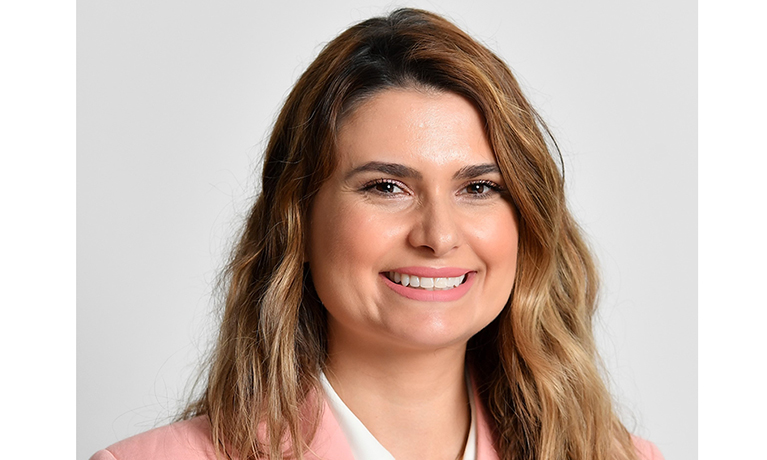
Dr Isadora Clivatti Furigo
University news / Research news / Life Sciences
Monday 20 April 2026
Press contact
A researcher from Coventry University is investigating how molecules in breast milk influence early brain development, particularly in premature babies.
The research will deepen the understanding of how breastfeeding aids development, strengthening the case for investment in support programmes, and informing improvements to government policy.
Dr Isadora Clivatti Furigo, Assistant Professor in Coventry University’s Research Centre for Discoveries in Life Science, will explore the role of microRNAs (miRNAs) - small molecules that regulate gene activity - in shaping infant brain development. By analysing milk from mothers who have delivered both at term and prematurely, the research will compare how miRNA profiles differ across colostrum, transitional and mature milk.
Babies born prematurely are more likely to experience learning and developmental challenges linked to altered brain development. While breastfeeding is known to support healthy brain growth, the specific components responsible for these benefits remain unclear.
This project is particularly meaningful to me as it brings together my interest in maternal biology and early brain development. I am investigating how microRNAs change across different stages of human milk and whether these changes influence brain development, particularly in babies born prematurely.
While it is well established that breastfeeding supports optimal neurodevelopment, the underlying biological mechanisms remain poorly understood. By comparing microRNA profiles in early milk, such as colostrum, and later milk from mothers who deliver at term or preterm, and by examining their effects using a brain organoid model, this research aims to generate new insights into how breast milk components may shape brain development during the earliest and most critical stages of life.
Dr Isadora Clivatti Furigo
The study – entitled Dynamic of human milk miRNA composition and potential impact on infant neurodevelopment - forms part of a major £6.7 million investment from the Academy of Medical Sciences, which is supporting 55 early career researchers across 38 UK institutions through its flagship Springboard programme.
The Springboard programme, delivered with support from the Department for Science, Innovation and Technology, Wellcome and the British Heart Foundation provides a bespoke package for researchers at the start of their independent careers.
I am very honoured to be awarded the Academy of Medical Sciences’ Springboard grant this year. This prestigious award represents a crucial opportunity to establish my independent research programme as I transition into a new research area as a principal investigator. I am very much looking forward to bringing together the expertise needed to deliver this project successfully, as well as to engaging with the mentoring and career development opportunities offered through the scheme.
Dr Isadora Clivatti Furigo