Why study a master’s degree in law, crime and justice?
Understanding why crime happens is the first step towards creating safer and fairer communities.
Explore the issues, experiences and ideas shaping crime and justice today while building the confidence to investigate complex questions and understand different perspectives. You'll develop research, analytical and communication skills that can help you make sense of the world around you and the challenges it faces.
Graduate ready to use your knowledge to make a positive difference in the areas that matter to you.
5 QS Stars for Teaching and Facilities
QS Stars University Ratings

Ranked1st for Engagement
Postgraduate Taught Experience Survey (PTES) 2026

Ranked 2nd for Support
Postgraduate Taught Experience Survey (PTES) 2026

Ranked 3rd for Skills Development
Postgraduate Taught Experience Survey (PTES) 2026
Hear from our students
-

My experiences of studying the International...
We spoke to Edward Ileomoh about his experiences of postgraduate study at Coventry University.
3 min read
-

A career in Law: The Power of self-belief and...
Sana Saddique is a Coventry University Law Aluma, Managing Director of her own firm, solicitor and court advocate.
4 min read
-
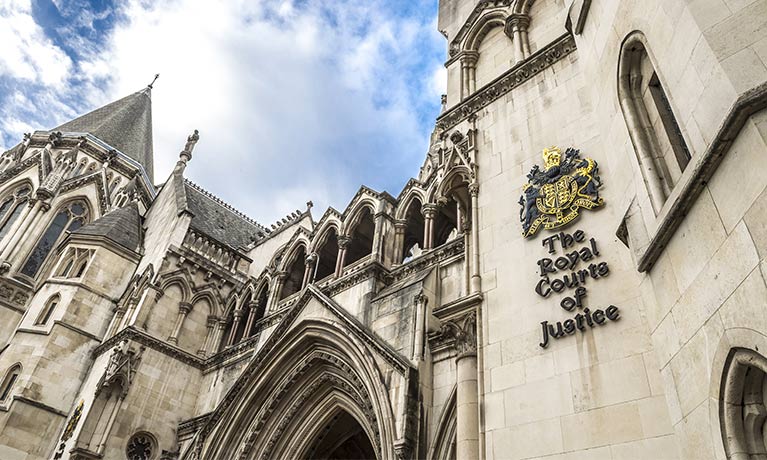
A career in Law - How do I become a solicitor?
Ever thought about becoming a solicitor in the UK? Even if you don’t have a law degree, this new exam has been causing quite a stir in the legal community by...
3 min read
Law, Crime and Justice spaces designed for applied learning and research
If you choose to study law on campus, you’ll have access to specialist facilities that support practical skills development, legal analysis and real‑world professional experience, depending on your course.
- Moot Room helps you build confidence presenting legal arguments, developing advocacy skills and experiencing courtroom procedures in a realistic setting.
- Coventry Law Journal helps you strengthen your legal research and writing skills, with opportunities to contribute to legal discussions and showcase your work.
- Law Employment and Advocacy Clinics give you the chance to explore real legal issues, gaining practical experience with support from legal professionals.
Together, these experiences help you bridge the gap between study and practice, building the confidence and skills to take your next step in law.
Where a law, crime and justice degree can take you
Explore the issues, systems and decisions that shape law, crime and justice today. You'll build the knowledge, skills and confidence to understand complex challenges, evaluate evidence and contribute to positive change.
Develop the confidence to make a difference through your work, whether supporting individuals, communities or organisations.
Career pathways vary depending on your chosen course and any further professional training required, but graduates typically move into roles such as:
Note: additional qualifications or registration may be required for policing and legal roles.
- police officer
- detective
- probation officer
- prison officer
- witness care service
- victim support services
- intelligence analyst
- fraud investigation
- academia and research.
.
Average gross salary * for a Lawyer in London:
£55,069 per year
Source: Salary.com
*Salaries vary depending on experience, sector and location.
 Visit us
  Prospectus
  Contact us
  Call us