Search
Opinion: Andy Burnham’s education reform is a step in the right direction – but he needs to go further and faster
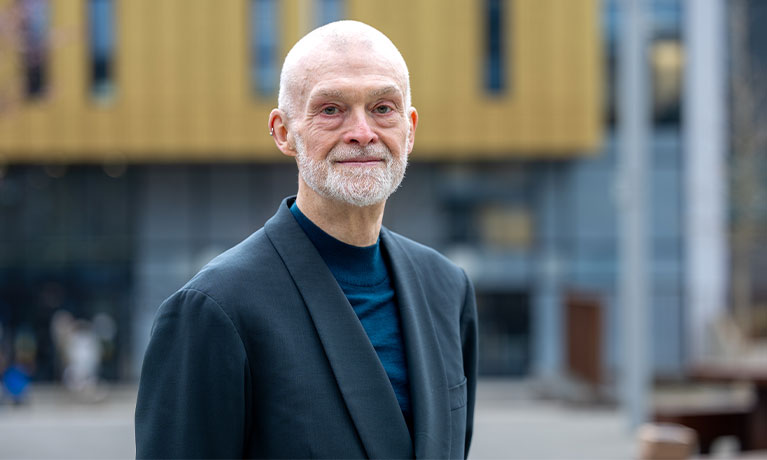
Professor Ian Dunn, Provost of Coventry University Group
University news / Opinion
Thursday 30 July 2026
Press contact
In response to the Prime Minister's pledge to boost technical education, Professor Ian Dunn, Provost of Coventry University Group, says that while the proposed education reforms are welcome, they must go further to create a truly integrated skills system that supports learners throughout their lives.
You might not expect this from a higher education institution but at Coventry University Group we are applauding Prime Minister Andy Burnham’s vision to put technical education on an equal footing with academic qualifications.
The plan he has outlined is a place-based approach that brings together education, industry and local government to deliver according to local needs. That sounds familiar.
We were established in 1843 to provide skills to the local workforce in conjunction with employers and that core purpose remains true today, alongside our passionate belief in widening access to quality education so everyone can realise their full potential and not be left behind.
Our ongoing commitment to professional, vocational and technical education is reflected in how we teach our degrees – hands on learning with the same kit our engineers, nurses, game designers, architects and financial planners will use in the workplace – the large, long lectures some readers may recall from their youth are not the future or our present.
It is also reflected in how we have built an education group, more than a university, that is able to act as an economic development partner. Andy Burnham wants schools, employers and local authorities to work together to focus on local skills needs.
We are already doing that, not just through degrees but apprenticeships and upskilling programmes with employers.
Within our Group we sponsor, and work, with schools and are working to integrate Further Education colleges so we can offer local communities clear pathways and progression at every level, with a focus on local and regional needs and the students, who can study to the level that is right for them and their career choices.
We do call on the Prime Minister to change the pace, and mindset, of the machinery of government. We have been working on this for several years and progress is slowed by a fragmented set of policies on how compulsory and post-compulsory education can work together. Create some space for innovation Mr Burnham.
This is not a plea for universities to be involved in this shift in education, we are already there. Those links with schools, FE and employers are well established and fruitful.
What is needed now is an enduring will to push this change through with a level of commitment and longevity that has not always been apparent and give schools the skills they need to deliver.
The government also needs to be bold and to say that the essential skills of literacy and numeracy can no longer only be defined by knowledge of Shakespeare and calculus.
Academic English and mathematics are incredibly important but decent functional maths and English skills are what is required for some students to progress. Forcing young people to retake English and maths GCSEs is a demoralising waste of time and money.
Are the young people failing, or are they being failed? FE Colleges are equipped with great teachers who bring literacy and numeracy to life within vocational fields.
If they truly respect the hard hat as much as the graduation cap, then they must admit that explaining the slings and arrows of outrageous fortune shouldn’t be a prerequisite for a pathway to a rewarding career and increased national productivity.
The planned changes also need to synchronise with lifelong learning as the pace of technological change will demand a constant cycle of upskilling.
During National Apprenticeships Week I wrote that when a range of educational opportunities are accessible and properly supported and people feel empowered to choose between them at various stages of life, communities retain talent, employers gain the skills they need and growth becomes inclusive.
Progress ultimately lies in building a system that values lifelong learning and upskilling, judging success by the strength of the skills in the workforce rather than by the route taken to acquire them.
I sincerely hope the Prime Minister has the will and opportunity to push through his reforms in a holistic way that works for learners and our communities. We are willing and able to help him succeed.