Search
Electro-Mechanical Engineering BEng (Hons)
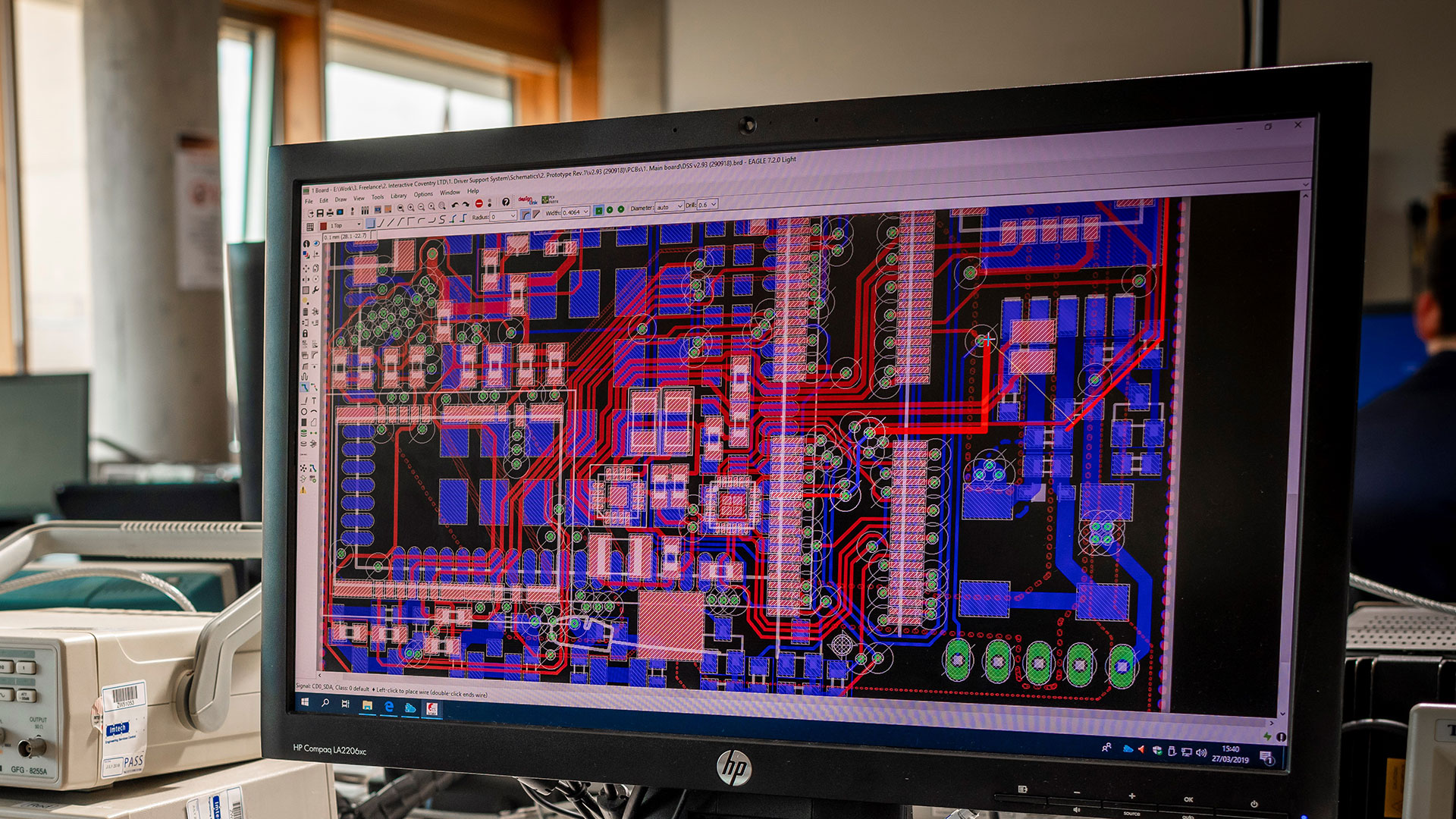
BEng (Hons) Electro-Mechanical Engineering: an agile, flexible curriculum focused on interdisciplinary engineering knowledge and skills at a fundamental level, but aiming to develop creativity and problem-solving skills at higher levels.
Course features
Location
PSB Academy
Duration
24 months
Course code
PSBU10CUS
Start date
Course information for PSB students only, please contact PSB for full details
Course overview
Engineering is no longer solely about knowledge, as much of the knowledge gained in an undergraduate degree could be obsolete less than a decade later, but about the ability to self-develop and adapt in a constantly changing environment.
The Engineering Institutions (and the Engineering Council which leads and acts as advocate) retain a fundamental list of learning outcomes for Engineering study at Bachelor’s level:
- Scientific and mathematical principles (including integrated engineering)
- Engineering analysis (application of principles, modelling and systems analysis, quantitative methods and computer-based solutions)
- Design principles
- Economic, social and environmental context
- Engineering practice skills.
Why study this course
The above are addressed by BEng (Hons) Electro-Mechanical Engineering: an agile, flexible curriculum focused on interdisciplinary engineering knowledge and skills at a fundamental level, but aiming to develop creativity and problem-solving skills at higher levels.
The course focuses on fundamental engineering knowledge and skills in the first year, and on applying that knowledge and utilising those skills in the second year, working on realistic scenarios from the cutting edge of engineering in industry.
The innovative approach to final-year study, where the students undertake project-based learning linked to employers, in a simulated workplace environment, will ensure graduates not only have the intellectual capabilities and knowledge for their future career, but also the experience of modern engineering practice and working methods to maximise graduates’ employment prospects. Project work will embrace all engineering sub-disciplines and will be set in an international context.
At the end of the course, graduates will not just have the knowledge and skills required for the contemporary engineering workforce, but will have genuine experience of applying them, working on engineering projects in a simulated workplace environment. They will be truly career-ready.
What you'll study
The educational aims of the course are to provide:
- A systematic understanding of key aspects of electrical, mechanical and embedded systems engineering, including acquisition of coherent and detailed knowledge at, or informed by, the forefront of the discipline
- An ability to deploy accurately established techniques of engineering analysis and enquiry
- The ability to self-manage learning and to devise and sustain arguments and solve problems, and to incorporate current research into sophisticated systems and control, or advanced scholarship within the discipline
- An appreciation of the uncertainty, ambiguity and limits of engineering knowledge with regard to electrical and mechanical engineering, embedded systems and control technology
- The ability to apply knowledge, methods and techniques to initiate and carry out electro-mechanical engineering projects
- The ability to critically evaluate arguments, assumptions and data to make judgements and achieve a solution to a problem in a global context
- The ability to communicate information, ideas, problems and solutions to specialist and non-specialist audiences
- The transferable skills necessary for employment requiring the exercise of personal responsibility, complex decision-making and self-development of knowledge.
We regularly review our course content, to make it relevant and current for the benefit of our students. For these reasons, course modules may be updated.
How you'll learn
Full Time mode is designed for students who wish to study 120 credits (4 modules) in one academic year. Part Time is designed for anything less than this. The awards are offered in a range of delivery options and patterns which can be found on the relevant campus website.
During the final year of the BEng (Level 6) the teaching becomes student led, reflecting the intensity of material and the need to fully develop and further enhance critical thinking and analytical skills. The role of a professional graduate engineer is one of problem-solving and project participation and management, so the final year is wholly constructed around independent project work.
The course is taught in 3 intakes and can be offered (subject to numbers) 2 modules per block 3 times each calendar year. Nine terms will lead to an Honours degree (360 credits at levels 4, 5 and 6)
Each one of the learning terms (modules) is worth 30 credits; these will require the equivalent of 300 study hours. The modules run over a one-year period and are taught consecutively, with assessments at the end of each term.
Assessment
This Course conforms to the PSB Coventry University Group Academic Regulations for Mode F.
The Coventry University Group assessment strategy ensures that our courses are fairly assessed and allows us to monitor student progression towards the achieving the intended learning outcomes.
Entry requirements
Fees and funding
| Student | Full-time | Part-time |
|---|---|---|
| International | Contact PSB for fees per year | Not available |
Careers and opportunities
On successful completion of the course, a student will be able to:
- Use knowledge and understanding of electrical, mechanical and embedded systems engineering to apply technical and practical skills to solve problems in developed technologies using analytical techniques
- Contribute to the design, development and realisation of products, systems or processes to deliver engineering projects or services using established techniques and methods
- Accept and exercise personal responsibility for project planning and management
- Use effective communication and interpersonal skills in communicating technical matters
- Demonstrate a commitment to professional engineering values, recognising obligations to society, professional ethics and the environment
- Demonstrate the ability to work effectively and constructively as part of a multi-disciplinary team, to learn from reflecting on own performance and managing own personal development
- Analyse and evaluate a range of technical data (primary and secondary) and engineering information to make effective, evidence-based decisions and solve problems based thereon; this includes the need for strong digital literacy and simulation analysis.