Search
Applied Psychology BSc (Hons) with foundation year
Study level: Undergraduate
Explore the science of human behaviour and its real-world impact.
Course features
Course option
Year of entry
Location
CU London (Dagenham, London)
Study mode
Full-time
Sandwich
Duration
4 years full-time
5 years sandwich
UCAS codes
C813
Start date
September 2027
Course overview
Psychology helps us understand how people think, feel, develop, interact and respond to the world around them. This applied psychology degree introduces core areas of the discipline while giving you opportunities to explore how psychological theory and research can be applied to understand real-life issues.
You’ll study areas such as social, developmental, biological and cognitive psychology, alongside personality, individual differences, mental health and wellbeing, research methods and applied practice. You’ll also explore how psychology is applied in real-world contexts, including education, sport, forensic settings, clinical practice, occupational psychology, law and talking therapies.
As you progress through the course, you’ll be encouraged to think like a psychologist: questioning evidence, considering different explanations for behaviour and applying psychological ideas to real-world issues. This can help you build a broad foundation for further study or future roles where understanding people, behaviour and wellbeing is valuable.
Why you should study this course
- Apply psychology to real-world issues
Explore how psychological theory and research can help explain human behaviour, mental health, wellbeing and the way people interact with others. - Gain a grounding in core psychology
Study key areas including social, developmental, biological and cognitive psychology, alongside personality, individual differences and research methods. - Explore applied areas of psychology
Consider how psychology is used in contexts such as education, sport, forensic settings, clinical practice, occupational psychology, law and talking therapies. - Develop research and analytical skills
Learn how to ask psychological questions, use evidence and interpret data, building towards your final-year research project. - Strengthen transferable skills
Develop communication, teamwork, reflection, digital literacy, presentation and problem-solving skills that can support a wide range of future routes. - Prepare for future study or people-focused careers
Build a foundation for postgraduate psychology study or possible roles in areas such as mental health, wellbeing, health, education, social care, research, HR, marketing, welfare, law or community support. - Study one module at a time
Focus on one 30-credit module over a six-week block. This approach uses practical, exam-free assessments to build your knowledge step by step with regular feedback.
What you'll study
We regularly review our course content to keep it relevant and current for our students. Consequently, we may update modules to reflect the latest industry standards.
How you'll learn
Entry requirements
Typical entry requirements:
Fees and funding
Foundation year
| Student | Full-time | Part-time |
|---|---|---|
| UK, Ireland*, Channel Islands or Isle of Man | £5,760 | Not available |
| International/EU | Not currently available*** | Not available |
Degree
| Student | Full-time | Part-time |
|---|---|---|
| UK, Ireland*, Channel Islands or Isle of Man | £10,050 per year | Not available |
| International/EU | Not currently available*** | Not available |
If you choose to study this course with a professional placement2 or study abroad year, you will need to pay a tuition fee3 to cover your academic support throughout your placement year. Students commencing their professional placement in the academic year 2029/30 will pay £1,615 if they are paying UK fees, or £1,950 if they are paying international fees.
For advice and guidance on tuition fees and student loans visit our Undergraduate Finance page and see The University’s Tuition Fee and Refund Terms and Conditions.
The University will charge the tuition fees that are stated in the table above for the first Academic Year of study. The University will review tuition fees each year. For UK (home) students, if Parliament permits an increase in tuition fees, the university may increase fees for each subsequent year of study in line with any such changes. Note that any increase is expected to be in line with the Retail Price Index (RPI), a UK measure of inflation that tracks changes in the cost of living.
If you choose to study this course with a professional placement or study abroad year, the University will charge the tuition fees stated above for those on a placement during Academic Year 2029/30. The University will review professional placement tuition fees each year. For UK (home) students, the University may increase fees for each subsequent year of study, but such that it will be no more than 5% above RPI.
For international students, we may increase fees each year, but such increases will be no more than 5% above inflation. If you defer your course start date or have to extend your studies beyond the normal duration of the course (e.g. to repeat a year or resit examinations) you may be charged the tuition fees in force at the time you take that additional period of study, and/or in line with any legislative changes that apply at that time.
Tuition fees cover the cost of your teaching, assessments, facilities and support services. There may be additional costs not covered by this fee such as accommodation and living costs, recommended reading books, stationery, printing and re-assessments should you need them. Find out what's included in your tuition costs.
Applies to degree only
The following are additional costs not included in the tuition fees:
- Any optional overseas field trips or visits: £400+ per trip.
- Any costs associated with securing, attending or completing a placement (whether in the UK or abroad) which may include costs of travel, accommodation, equipment or uniform required for the placement and any visa-related costs.
Foundation year funding
To secure funding for a degree with a foundation year, you must complete the full four-year programme. If you do not finish the entire course, including the integrated foundation year, you may have to pay the foundation year fees yourself. For further information, please refer to the 'Tuition Fee Loan' details in the 'Funding your undergraduate course' section of our 'Fees and finance' page.
*Irish student fees
The rights of Irish residents to study in the UK are preserved under the Common Travel Area arrangement. If you are an Irish student and meet the residency criteria, you can study in England, pay the same level of tuition fees as English students and utilise the Tuition Fee Loan.
**This degree with foundation year is not currently available to international students who require a student visa to study in the UK.
How do you know if you need to pay UK or international tuition fees?
Facilities
Our Dagenham campus is in the stylishly renovated Civic Centre, offering a unique mix of classic architecture and modern learning spaces. You can study in our high-tech library, use the open-access IT suites, or find a quiet spot in one of the many breakout areas designed for group work.
When you need a break, the on-site café is the perfect place to grab a snack and socialise with friends. The campus is just a short walk from local shops and transport links, making it easy to balance your studies with your life outside of university.
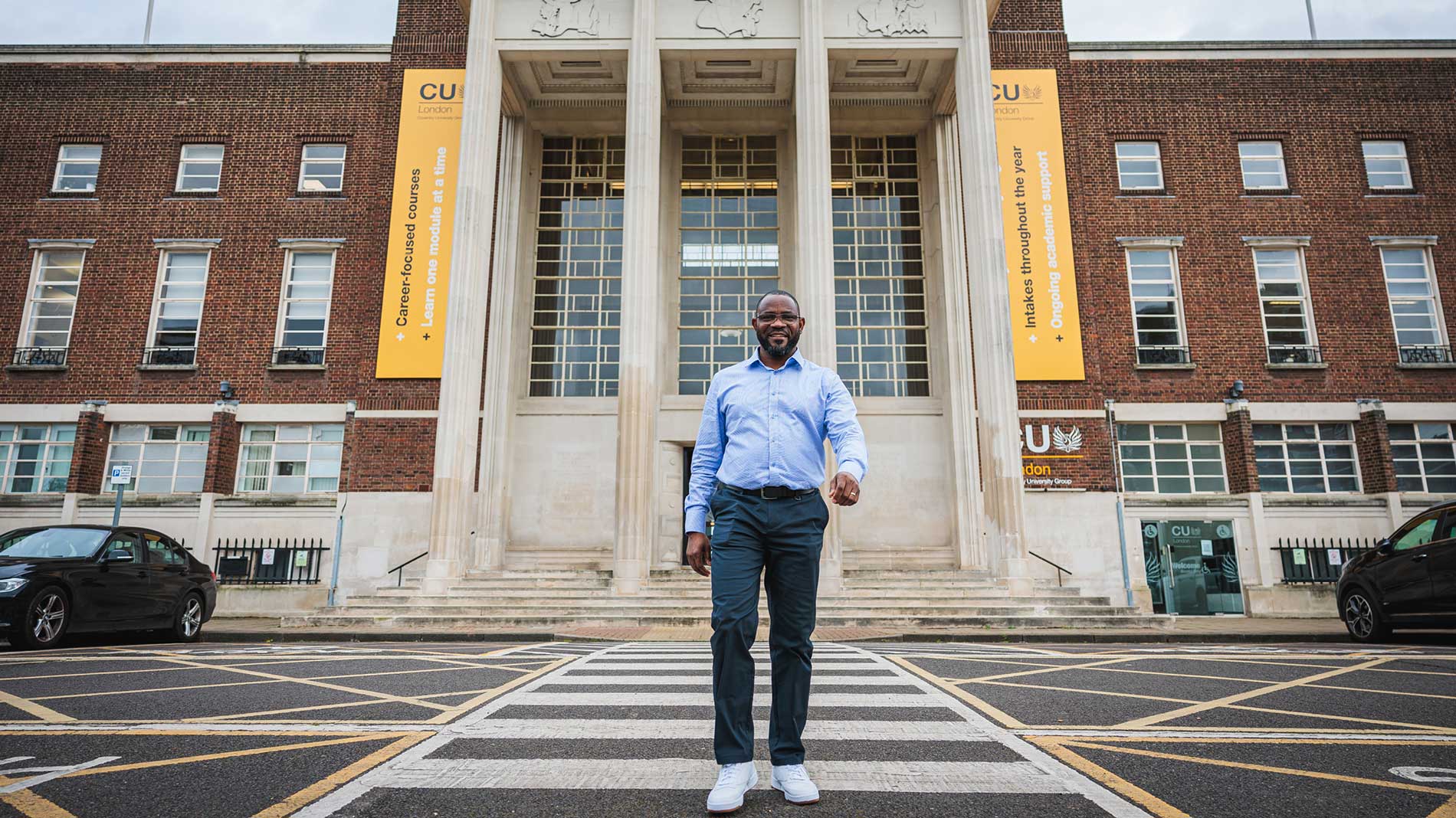




You’ll use facilities through timetabled teaching, practical activities and relevant independent study. Access may vary by module, activity, capacity, supervision or safety requirements. Access may change or be limited where the University needs to follow public authority guidance, decisions or orders.
Careers and opportunities
This course can help you develop psychological knowledge and transferable skills for future routes in psychology and related people-focused fields.
You should graduate with skills in research, communication, analysis, critical thinking, reflection, teamwork, digital literacy and problem-solving. These skills can be useful in roles and sectors where understanding people, behaviour, wellbeing and evidence is important.
After you graduate, you may choose to explore routes in areas such as:
- postgraduate study or professional training in psychology
- psychological wellbeing or mental health support
- research assistant roles
- education support
- health and wellbeing services
- social care, welfare or community support
- charities and voluntary-sector organisations
- HR, people teams or organisational support
- marketing, consumer insight or behaviour-related business roles
- law, justice, rehabilitation or support services
- further training towards psychology-related careers.
These are examples of possible career paths. Some roles may require further training, professional qualifications, accreditation or experience.
How to apply
This course with foundation year is not available to international students.
UK students
Disclaimers
You may also like

CU London (Dagenham, London)