Search
Sport and Exercise Science BSc (Hons) with foundation year
Study level: Undergraduate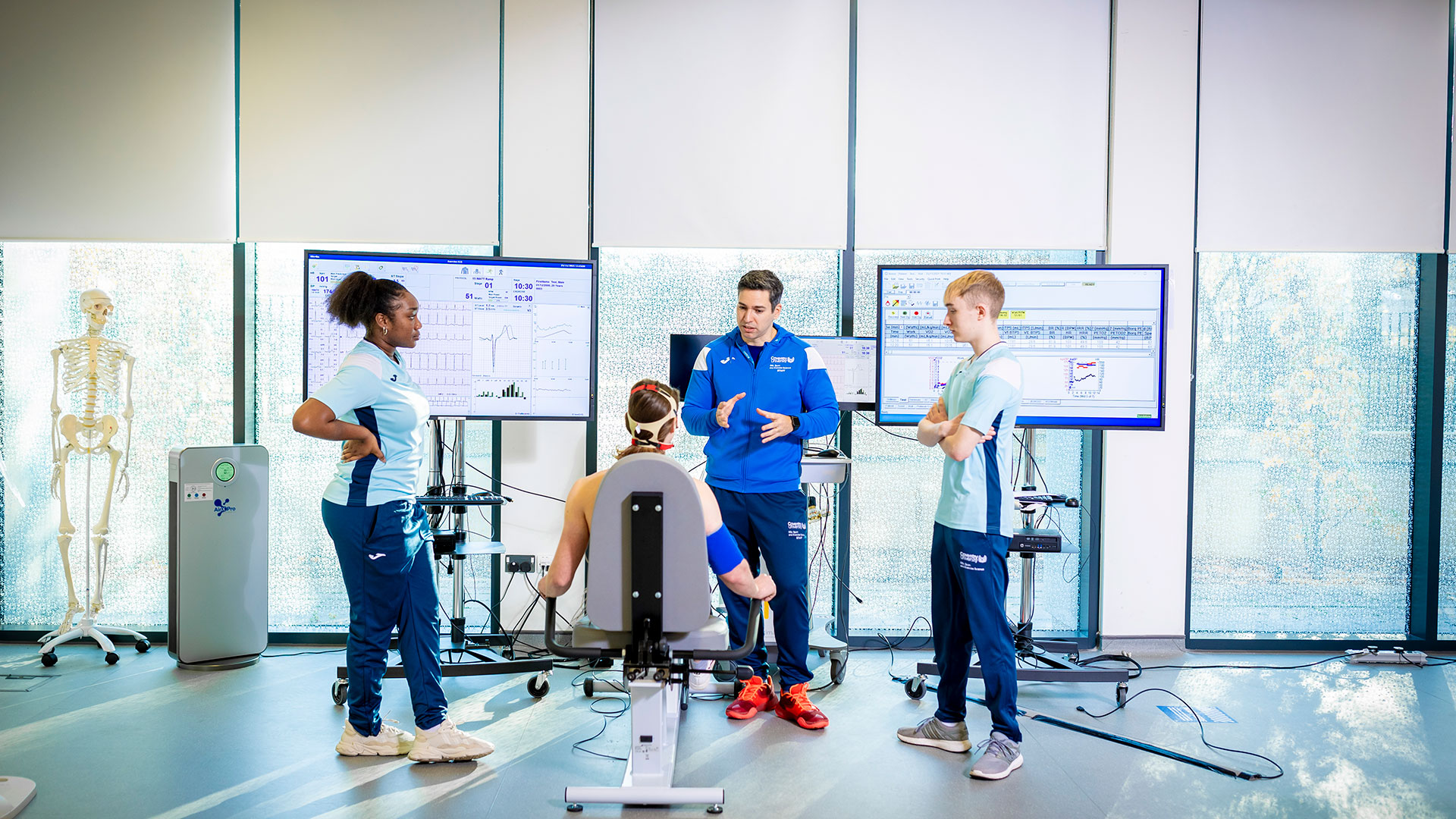
Explore how the human body responds to exercise and understand how sport and physical activity influence health and wellbeing.
Course features
Course option
Year of entry
Location
CU Coventry (Coventry) and
Coventry University (Coventry)
Study mode
Full-time
Sandwich
Duration
4 years full-time
5 years sandwich
UCAS codes
C6DF
Start date
September 2027
November 2027
January 2028
March 2028
May 2028
July 2028
Course overview
This course explores the impact of physical activity on the human body. Apply scientific principles to enhance performance, aid recovery and promote long-term health and wellbeing, and develop knowledge and skills relevant to roles in sport, fitness and wellbeing.
- This course aims to help you learn using a range of approaches. These include problem-based learning, case studies and laboratory classes, which blend scientific rigour with practical and professional experience and knowledge.4
- Explore the physiological, psychological and biomechanical factors that influence human performance. Develop verbal, non-verbal and active listening skills, and have the opportunity to apply your learning in sport and exercise contexts.
- Develop your skills and ability to prescribe exercise programmes, and then evaluate and monitor their effectiveness on the human body.

Rated Gold Overall
Teaching Excellence Framework (TEF) 2023
5 QS Stars for Teaching and Facilities
QS Stars University Ratings
4th Student City in England (Coventry)
QS Best Student Cities Index 2027Why you should study this course
- Diverse career pathways: gain knowledge and skills relevant to roles in sport, health, education and exercise. Graduates may choose to pursue opportunities in areas such as athlete support, community health or teaching, or continue with postgraduate study in sport and exercise-related fields.
- Hands-on experience: gain invaluable practical experience, including potential opportunities to work with professional athletes.2 Previous students have gained a year of experience with professional sport teams (Southampton FC, Fulham, Coventry City FC, Solihull Moors FC, Birmingham City Women FC), governing bodies (English Institute of Sport) and several local schools.
- Research-informed teaching: learn from active researchers and practitioners who are experts in various areas of sport and exercise science.
- Specialist facilities: utilise our modern laboratories for sport science, biomechanics and our newly refurbished Strength and Conditioning suite, along with a comprehensive range of industry-standard portable equipment for field-based assessments.4
- Strong employer links: benefit from our robust connections with local professional sports teams, schools, and NHS clinical services (such as cardiac and pulmonary rehabilitation).2 Staff act on a consultancy basis working with leading industry partners, elite and novice athletes. Some of our staff are members of leading professional bodies such as BASES, the Higher Education Academy (HEA), and the UK Strength and Conditioning Association (UKSCA; staff are subject to change).
Joint 6th
for Student Satisfaction in Sports Science
The Complete University Guide 2027
Chartered Institute for the Management of Sport and Physical Activity (CIMSPA)
This course is officially endorsed1 by the Chartered Institute for the Management of Sport and Physical Activity (CIMSPA) against the professional standards listed below:
- Personal Trainer (Occupation)
- Strength and Conditioning Trainer (Occupation)
- Working with Inactive People (Population)
Chartered Association of Sport and Exercise Sciences
This course is endorsed 1 by the Chartered Association of Sport and Exercise Sciences (CASES) until July 2031. CASES is the professional body for sport and exercise sciences in the UK. Further information about CASES endorsement and the benefits of choosing a CASES-endorsed degree course can be found on the CASES website.
Premier League new boys Coventry City FC put through their paces by Coventry University sports science experts and students
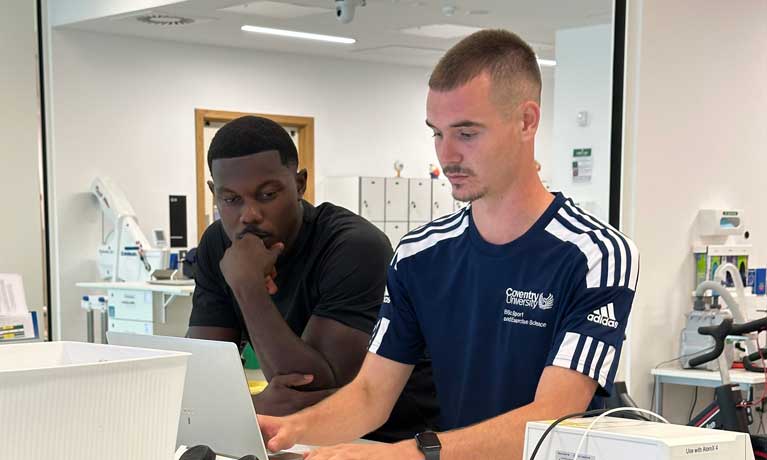
Coventry City FC’s first team squad began preparations for their return to the Premier League in Coventry University’s high-tech sports science labs. Undergraduate students from our Sport and Exercise Science, Sport Therapy and Sport Coaching programmes were central to the delivery of the assessments.
Read storyCoventry University welcomes Birmingham City Women FC
The squad of 24 players visited the university’s Alison Gingell building for midseason strength testing.
Find out more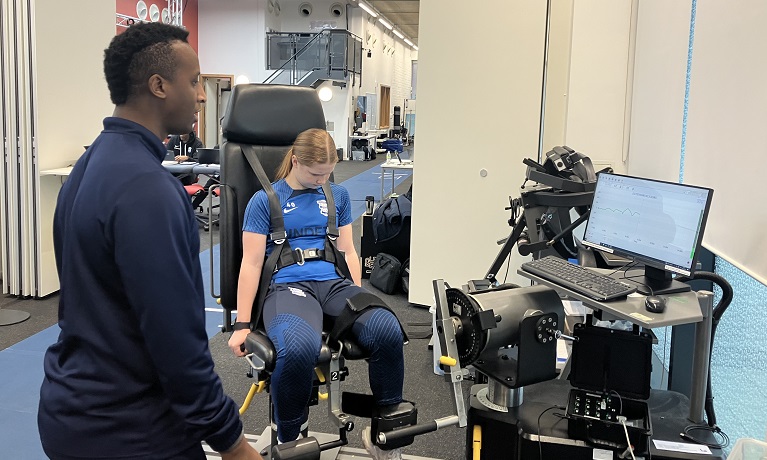
What you'll study
We regularly review our course content to keep it relevant and current for our students. Consequently, we may update modules to reflect the latest industry standards.
How you'll learn
Entry requirements
Typical entry requirements:
Got higher grades? Have you considered direct entry to the degree without foundation year?
Fees and funding
Foundation year
| Student | Full-time | Part-time |
|---|---|---|
| UK, Ireland*, Channel Islands or Isle of Man | £5,760 | Not available |
| International/EU | Not currently available*** | Not available |
Degree
| Student | Full-time | Part-time |
|---|---|---|
| UK, Ireland*, Channel Islands or Isle of Man | £10,050 per year | Not available |
| International/EU | Not currently available*** | Not available |
If you choose to study this course with a professional placement2 or study abroad year, you will need to pay a tuition fee3 to cover your academic support throughout your placement year. Students commencing their professional placement in the academic year 2029/30 will pay £1,615 if they are paying UK fees, or £1,950 if they are paying international fees.
For advice and guidance on tuition fees and student loans visit our Undergraduate Finance page and see The University’s Tuition Fee and Refund Terms and Conditions.
The University will charge the tuition fees that are stated in the table above for the first Academic Year of study. The University will review tuition fees each year. For UK (home) students, if Parliament permits an increase in tuition fees, the university may increase fees for each subsequent year of study in line with any such changes. Note that any increase is expected to be in line with the Retail Price Index (RPI), a UK measure of inflation that tracks changes in the cost of living.
If you choose to study this course with a professional placement or study abroad year, the University will charge the tuition fees stated above for those on a placement during Academic Year 2029/30. The University will review professional placement tuition fees each year. For UK (home) students, the University may increase fees for each subsequent year of study, but such that it will be no more than 5% above RPI.
For international students, we may increase fees each year, but such increases will be no more than 5% above inflation. If you defer your course start date or have to extend your studies beyond the normal duration of the course (e.g. to repeat a year or resit examinations) you may be charged the tuition fees in force at the time you take that additional period of study, and/or in line with any legislative changes that apply at that time.
Tuition fees cover the cost of your teaching, assessments, facilities and support services. There may be additional costs not covered by this fee such as accommodation and living costs, recommended reading books, stationery, printing and re-assessments should you need them. Find out what's included in your tuition costs.
Applies to degree only
The following are additional costs not included in the tuition fees:
- Any optional overseas field trips or visits: £400+ per trip.
- Any costs associated with securing, attending or completing a placement (whether in the UK or abroad) which may include costs of travel, accommodation, equipment or uniform required for the placement and any visa-related costs.
Foundation year funding
To secure funding for a degree with a foundation year, you must complete the full four-year programme. If you do not finish the entire course, including the integrated foundation year, you may have to pay the foundation year fees yourself. For further information, please refer to the 'Tuition Fee Loan' details in the 'Funding your undergraduate course' section of our 'Fees and finance' page.
*Irish student fees
The rights of Irish residents to study in the UK are preserved under the Common Travel Area arrangement. If you are an Irish student and meet the residency criteria, you can study in England, pay the same level of tuition fees as English students and utilise the Tuition Fee Loan.
**This degree with foundation year is not currently available to international students who require a student visa to study in the UK.
How do you know if you need to pay UK or international tuition fees?
Facilities
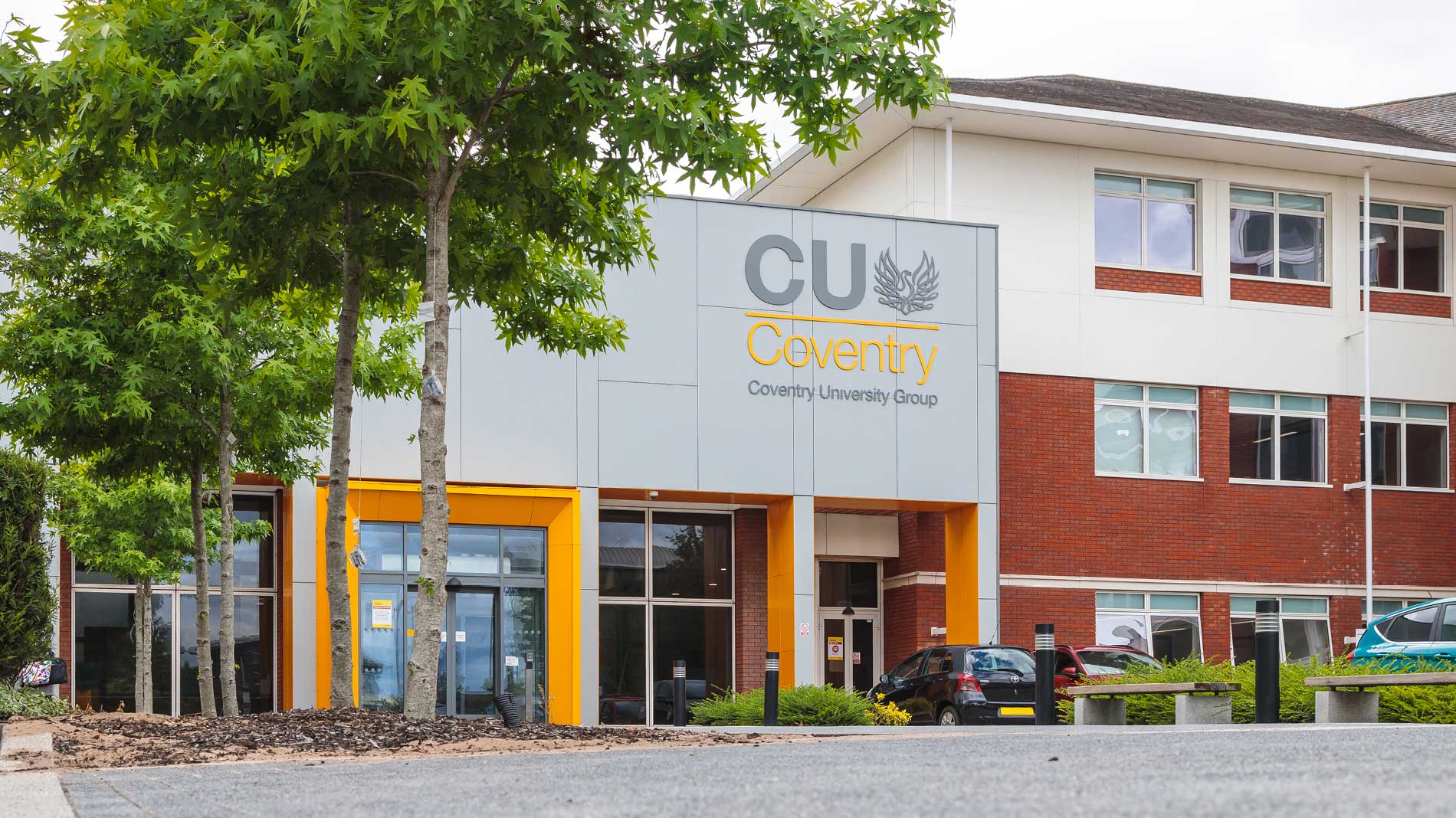
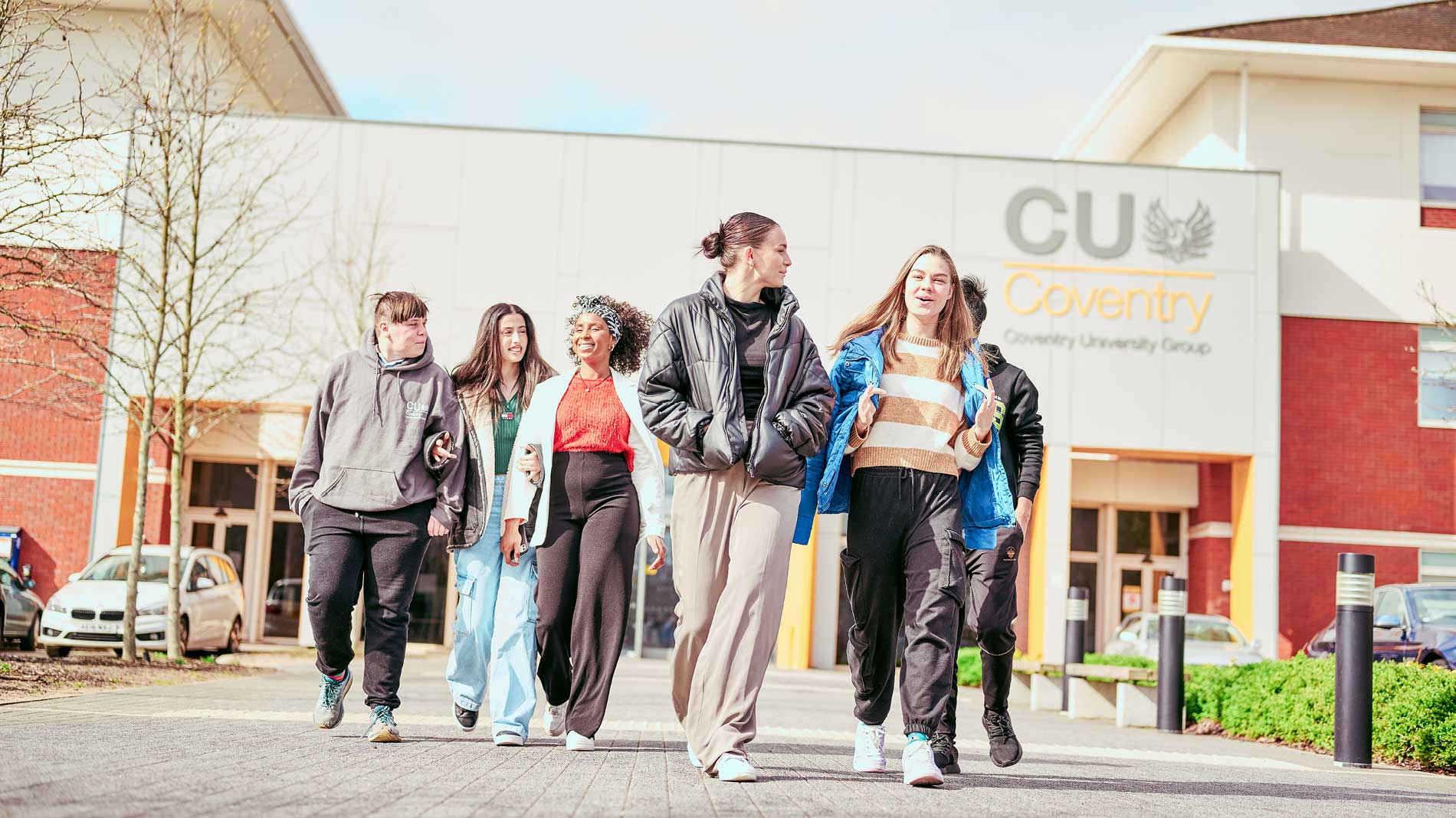
You’ll spend your foundation year at our CU Coventry Mile Lane building, just a short walk from Coventry city centre. You can still make the most of all the facilities at the main Coventry University campus whenever you like. Once you successfully complete your foundation year, you’ll move over to the Coventry University campus to study your degree.



You’ll use facilities through timetabled teaching, practical activities and relevant independent study. Access may vary by module, activity, capacity, supervision or safety requirements. Access may change or be limited where the University needs to follow public authority guidance, decisions or orders.
The degree is delivered at Coventry University main campus, primarily in the Alison Gingell Building.
You will benefit from the outstanding facilities for sport and exercise sciences in the purpose built Alison Gingell building, including extensive sport and exercise science laboratories, gait analysis track and environmental chamber4.
Take a virtual tour
Sports Therapy Clinic
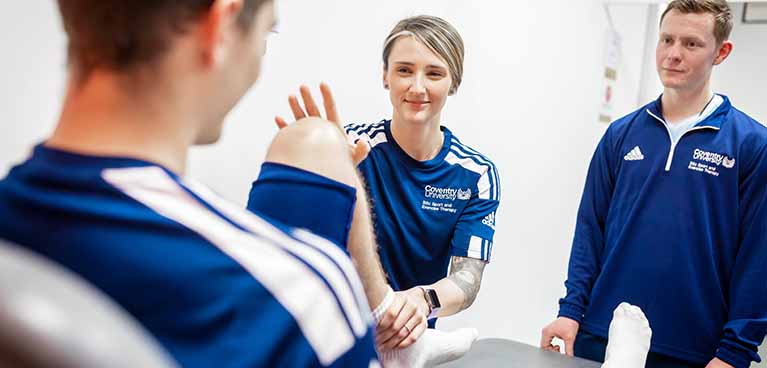
The Sports Therapy Clinic is run by final-year undergraduate Sports Therapy students under the supervision of qualified staff, with second-year students providing a supervised massage clinic.
Strength and conditioning suite
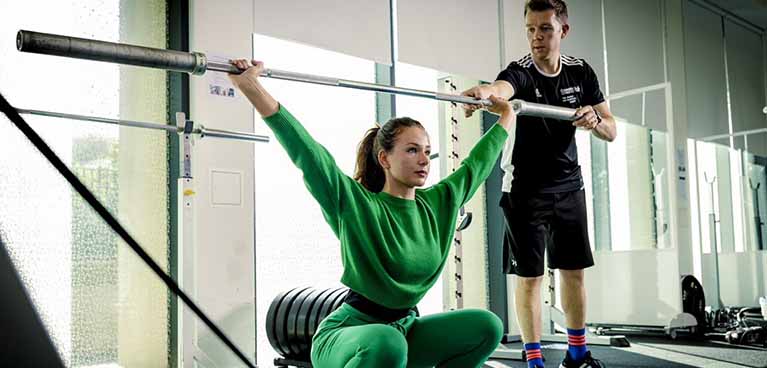
Our multi-purpose suite is equipped with multiple Olympic lifting platforms, a 20m gait analysis track, an anti-gravity treadmill and a 3D motion capture system.
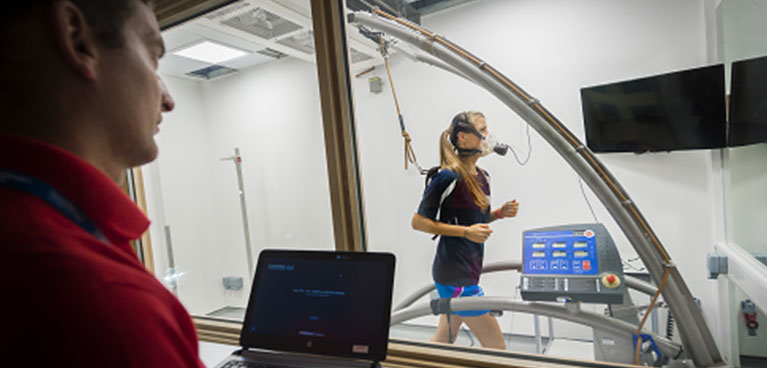
Environmental chamber
Our environmental chamber helps us to test the effects of a wide range of environmental conditions, such as temperature and barometric pressure, on the human body.
You’ll use facilities through timetabled teaching, practical activities and relevant independent study. Access may vary by module, activity, capacity, supervision or safety requirements. Access may change or be limited where the University needs to follow public authority guidance, decisions or orders.
Careers and opportunities
The multi-disciplinary and applied nature of this degree course aims to prepare you for a potential future career in sport or exercise, including scientific support, exercise training, health promotion and rehabilitation.
The leisure industry is a major employer in the UK and many of our previous graduates have gone into managerial and service delivery roles in leisure and health centres, as well as teaching and research. Graduates who are more interested in the medical and health applications of exercise science can choose to go on to work within cardiac and other rehabilitation teams within the NHS, or with local councils within sports development or exercise for health schemes.
The graduate destinations listed above illustrate potential career paths. You may need to gain additional qualifications or practical experience, pass professional examinations, complete training, cover associated costs and meet specific visa or immigration requirements to secure employment in these fields.
Where our graduates work
Some of our previous graduates have gone on to work with sports teams including Coventry City FC and British Cycling.
Further study
We have a range of postgraduate courses that graduates would be well prepared to progress onto, enabling them to gain specialist skills relating to development of teaching, sporting potential or lifelong physical activity. PGCE courses allow entry to teaching careers and our more specialist MSc programmes in sport provide opportunities for graduates to develop skills in a more specific area of study.

Discover Phoenix+
Phoenix+ brings you together with other students to learn, experience and develop essential knowledge and skills. Whatever destination you choose, it's about preparing you for life after university.
Learn more about Phoenix+How to apply
This course with foundation year is not available to international students.
UK students
Disclaimers
You may also like
Coventry University (Coventry)
Sports Coaching BSc (Hons)
Coventry University (Coventry)
Sports and Exercise Therapy BSc (Hons)
Coventry University (Coventry)